Most wellness home goods promise a better routine. Far fewer make life easier by Tuesday. That is the real test. If a product takes too long to set up, needs another app, or ends up in a cupboard after a week, it was never wellness in the first place. It was clutter with better branding.
The good versions do something simpler. They remove friction from daily life. They help you breathe more comfortably, rest more deeply, recover more easily, or wake up without feeling dragged out of sleep. They fit into the home without turning it into a project.
What wellness home goods should actually do
A useful product should solve a specific problem you already feel. Stuffy bedroom air. Tired feet after long days. Difficulty switching off at night. Dark winter mornings that make getting up harder than it should be. If the benefit is vague, the product usually is too.
That sounds obvious, but the wellness category often sells aspiration before function. The result is a lot of expensive equipment with very little daily relevance. A better way to judge wellness home goods is to ask three plain questions: does it address a real issue, does it fit naturally into your routine, and will you still want it in six months.
That last point matters. A premium item should earn its place. Not because it looks good on a shelf, but because it gets used without effort. The best home wellness products tend to be the ones that become quietly normal.
Start with the home problems that repeat
Most people do not need an entirely new routine. They need relief in the places where the same issues keep showing up.
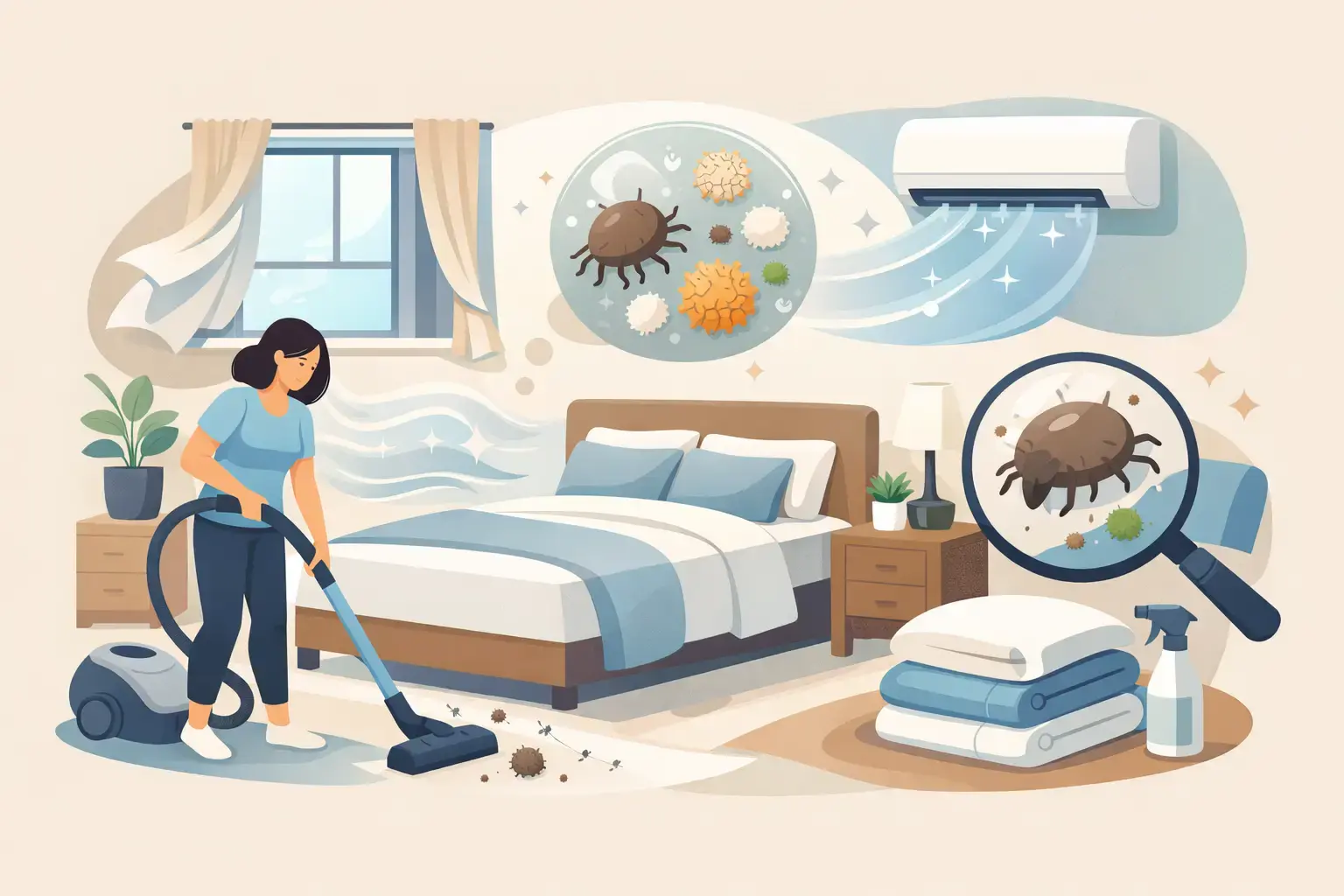
For some households, that starts with air. Bedrooms can feel dry or stale. Shared family spaces collect dust faster than anyone likes to admit. If you live in a town or city, outdoor pollution can follow you indoors more than you realise. Cleaner air is not a trend benefit. It affects sleep quality, comfort, and how the room feels over time.
For others, the pressure point is physical recovery. Standing desks do not cancel out long commutes. A gym session does not stop your legs from feeling heavy later in the evening. Parenting, work, and general life admin have a way of leaving tension in the body even on fairly ordinary days. Products that support recovery at home can be genuinely useful, but only when they are easy enough to use consistently.
Then there is sleep, which usually sits underneath everything else. People often chase better sleep through supplements, podcasts, or stricter habits, when the issue is partly environmental. Light, noise, air quality, and how you wake up all shape the sleep experience. Good wellness home goods can support that without turning bedtime into a ritual with twelve steps.
The three categories that matter most
A practical way to think about this space is by outcome rather than product type. Breathe. Restore. Rise. Those are clearer than trying to compare every wellness gadget on the market.
Breathe
Air quality products matter most where you spend long, quiet stretches of time, especially bedrooms and home offices. An air purifier can make sense if the room feels stuffy, if allergies are part of daily life, or if you simply want cleaner indoor air without constantly opening windows in colder months.
The trade-off is straightforward. A good purifier takes up space and costs more than a decorative fix, but the right one works in the background and asks very little from you. That is usually a fair exchange. The point is not to create a laboratory-grade environment. It is to make the air in your home feel cleaner and more comfortable, day after day.
Restore
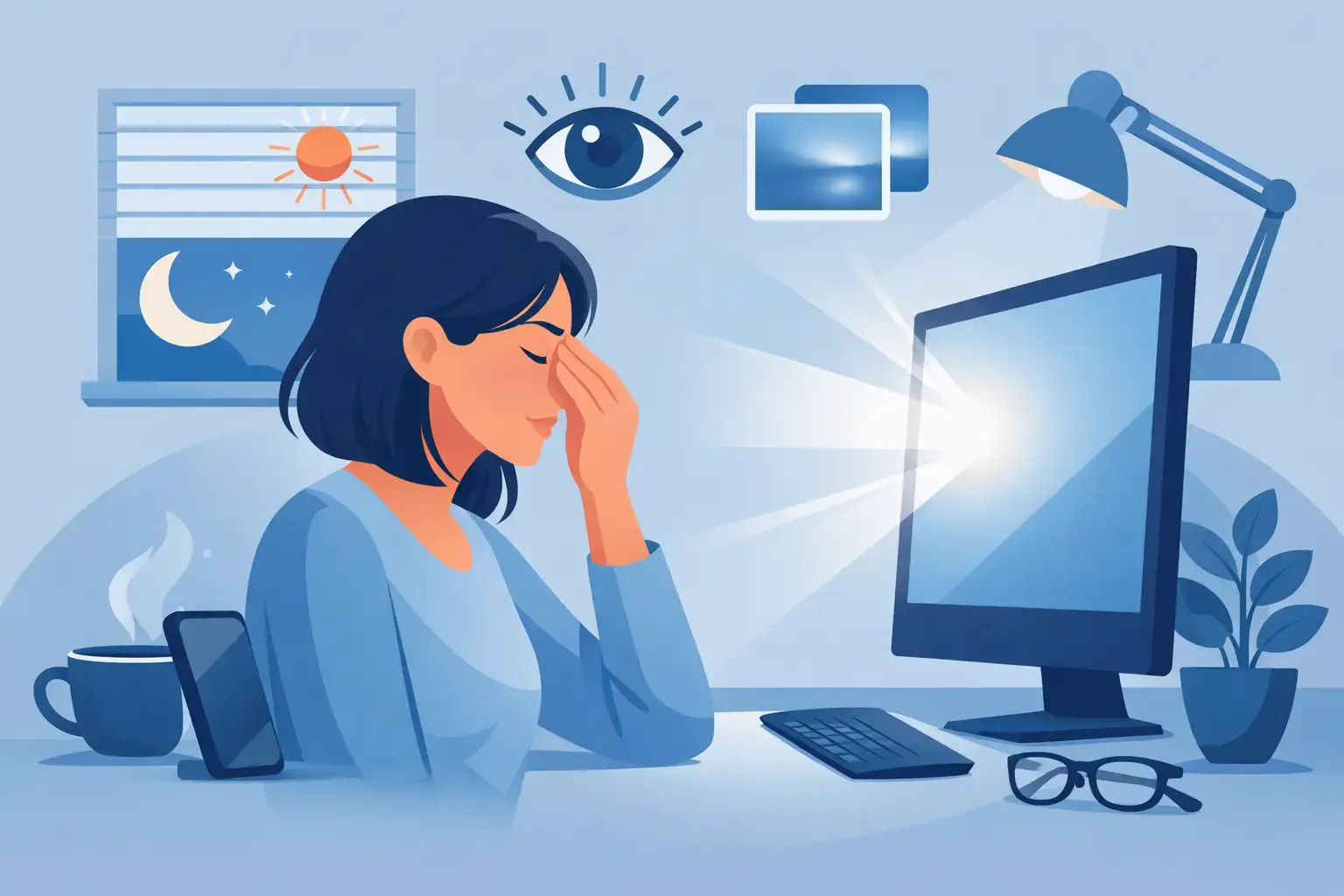
Recovery products tend to be most valuable when they target a clear source of strain. An eye massager can be helpful for screen-heavy days, tension around the eyes, or the need to switch off in the evening. A foot massager suits people who spend a lot of time standing, training, or simply carrying a busy household on their feet.
This category works best when expectations are realistic. No device replaces proper rest, movement, or medical advice when something is genuinely wrong. But that does not make these tools superficial. Used well, they can help reduce everyday tension and make recovery feel more accessible at home rather than something you only address once you are already exhausted.
Rise
Mornings are often treated as a discipline problem when they are really a timing and environment problem. A sunrise alarm clock helps by changing how waking happens. Instead of being pulled out of deep sleep by a harsh sound, you wake more gradually with light.
That will not suit everyone in the same way. If you sleep very heavily, you may still want a stronger audio alarm. But for many people, especially in darker seasons, waking with light feels less abrupt and more sustainable. It is a small change that can improve the tone of the whole morning.
How to choose wellness home goods without wasting money
The fastest way to make a poor purchase is to buy for a fantasy version of your life. The better approach is more boring and more effective. Buy for the routine you already have.
If you are consistently tired by evening, choose something that supports recovery with minimal setup. If your sleep environment feels off, start with the room itself before adding layered solutions. If mornings are the problem, deal with mornings directly.
It also helps to think about product friction. How many steps are required before use? Does it need charging constantly? Is there an app involved, and if so, does that genuinely improve the experience or just complicate it? A product can be technically advanced and still be a poor fit for real life.
Price should be judged the same way. Cheap products often cost less upfront because they ask you to tolerate more compromise - weaker performance, shorter lifespan, awkward controls, or materials that feel tired too quickly. Premium only makes sense when it buys reliability, comfort, and ease. If it does not, it is just packaging.
What separates useful products from gimmicks
The difference usually comes down to clarity. Useful products make one promise and keep it. Gimmicks try to do everything, usually with inflated language and too many features.
If a product claims to transform your lifestyle, improve your mindset, optimise your routine, and reinvent your mornings, be cautious. If it says it helps clean the air in your bedroom, ease foot fatigue, or wake you more gently, that is a better sign. Specific products with specific jobs tend to perform better in actual homes.
Design matters too, but not in the glossy, trend-led sense. Good design means a product is easy to understand, simple to operate, and pleasant to live with. It should not dominate the room or ask for constant attention. The best wellness hardware feels settled, not showy.
This is where brands such as Elvora have a stronger case than trend-driven wellness sellers. The focus is not on building a digital ecosystem around your household. It is on practical devices that solve ordinary problems without extra noise. That restraint is useful. Most people do not want more managing. They want more comfort.
A more realistic way to build a wellness home
You do not need a house full of devices to create a better daily environment. In fact, most homes benefit more from choosing one or two products well than filling shelves with half-used solutions.
Start where the discomfort is easiest to name. If the bedroom feels heavy, address the air. If evening tension keeps building, look at recovery. If mornings are consistently rough, change how you wake up. Once one area improves, the next decision becomes clearer.
There is also value in accepting that wellness at home should feel ordinary. Not performative. Not optimised to the edge. Just noticeably better. Cleaner air while you sleep. Less strain at the end of the day. A gentler start in the morning. Those are modest improvements, but they compound.
That is why the best wellness home goods are not the ones that ask to be admired. They are the ones you would replace immediately if they stopped working. When a product reaches that point, it has done its job. It has earned its place by being useful, quiet, and easy to live with.
A good home does not need more wellness theatre. It needs a few well-chosen tools that help you feel better without asking for much back.