Most people do not need more wellness products. They need a better wellness products list - one that filters out the clutter and keeps only what earns a place in daily life. If a product makes your routine harder, adds another charger to manage, or turns basic self-care into admin, it is probably not helping as much as it claims.
That is the problem with a lot of the wellness market. It sells aspiration, not utility. A shelf full of nice-looking gadgets can still leave you sleeping badly, waking groggy, or feeling tense by 4 pm. A better approach is simpler. Start with the friction points in your day, then choose products that solve them clearly and consistently.
A wellness products list that starts with real life
The most useful products tend to sit in three areas: the air you live in, the way your body recovers, and how you wake up and wind down. That covers a lot of everyday wellbeing without drifting into expensive trends or complicated routines.
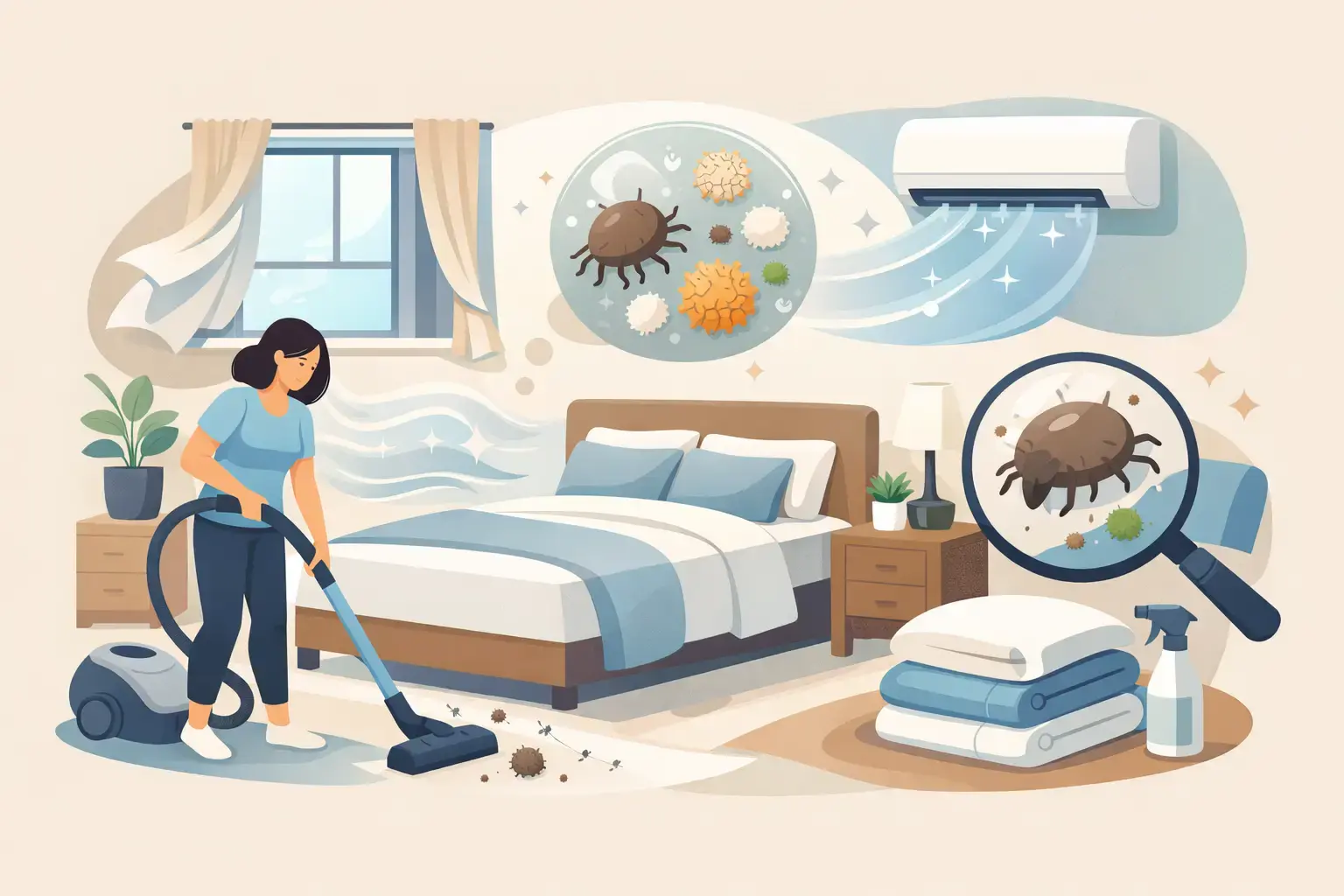
For most households, cleaner air is the first category worth looking at. You cannot see poor indoor air quality most of the time, but you often feel it. Stuffy bedrooms, dust, pet dander, seasonal irritation and lingering cooking smells all affect comfort. In some homes, they also affect sleep. A good air purifier is not glamorous, but it is one of the few wellness devices that can quietly improve the background conditions of everyday life.
The trade-off is straightforward. A cheap purifier may be noisy, underpowered or too small for the room. A better one costs more, but if it runs properly and suits the space, it becomes part of the home rather than another thing to fiddle with. For busy households, that matters.
The second category is recovery. This is where plenty of people overspend on products they use twice and forget. Recovery tools only make sense if they fit the habits you already have. If you spend long hours at a desk, commute on your feet, train regularly, or carry a lot of tension in your jaw, neck or lower legs, targeted relief devices can be genuinely useful. If not, they can become expensive storage items.
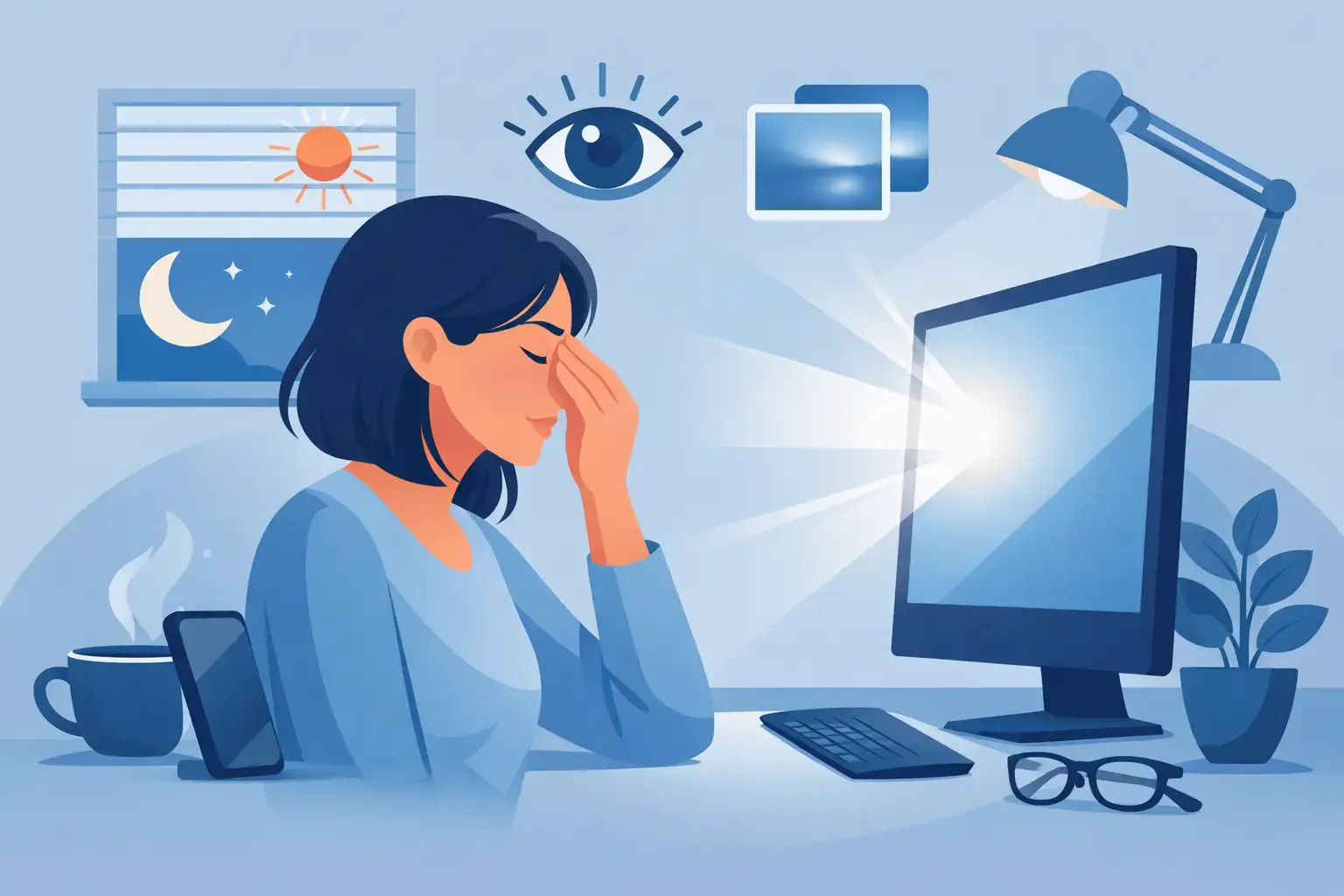
Eye massagers are a good example of a product that sounds optional until you think about modern life. Screens, poor sleep and low-level strain add up. Used well, an eye massager can help create a proper wind-down point between work and rest. That does not mean it replaces sleep hygiene or fixes stress on its own. It means it can support a better evening routine if used consistently.
Foot massagers sit in a similar category. For people who are on their feet all day, or who simply carry stress physically, they offer a practical kind of relief. They are not a miracle cure. They are a comfort tool. That distinction is important. The best wellness products are not trying to transform your life in one use. They make the next hour better, and the next day easier.
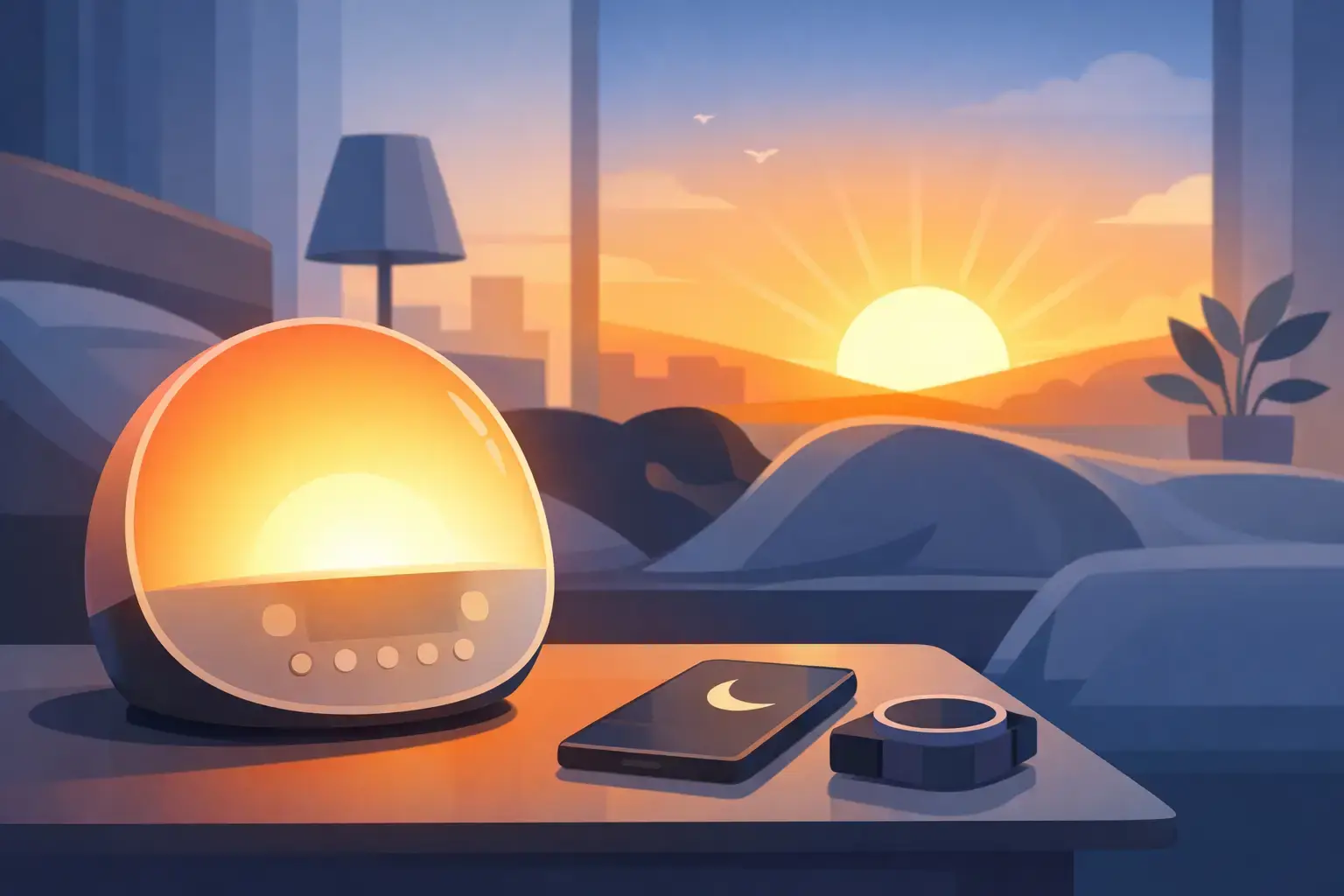
Then there is sleep timing. A sunrise alarm clock is one of the clearest examples of practical wellness hardware done well. Waking to light rather than a harsh alarm can help mornings feel less abrupt, particularly through dark British winters when getting out of bed can feel like a negotiation. It is not a medical device, and it will not make a five-hour night feel like eight. But it can reduce the jolt and support a calmer start.
The best wellness products list is based on outcomes
If you are trying to build a shortlist, avoid shopping by trend and shop by outcome instead. Ask what you actually want to feel different in your day.
If the answer is clearer breathing and a fresher bedroom, focus on air quality. If the answer is less tension after work, look at recovery devices. If the issue is waking badly or struggling to switch off at night, sleep-support tools make more sense.
This sounds obvious, but it is where many people get sidetracked. They buy products because they look modern, because someone on social media claims they changed everything, or because the category sounds vaguely healthy. A disciplined wellness products list does the opposite. It cuts out anything that does not solve a known problem.
That also means being honest about your tolerance for effort. Some people are happy calibrating settings, syncing devices and learning apps. Most are not. If a product requires too much upkeep, it rarely lasts in a real household. Practical wellness should lower friction, not add to it.
What to look for before you buy
Quality matters more than novelty. A well-made product with a clear job is almost always better than a multi-feature device trying to do five things badly. Quiet operation, intuitive controls, sensible sizing and durable build are often more important than flashy extras.
It is also worth thinking about where the product will live. An air purifier that is too bulky for the bedroom or too loud for overnight use will quickly become irritating. A foot massager that is awkward to store may stop being used. A sunrise alarm clock needs to suit your bedside setup and your actual sleep schedule, not an idealised one.
There is also the question of who the product is really for. In family homes, shared-use devices often offer the best value. An air purifier benefits everyone in the room. A sunrise alarm clock can improve the feel of a whole morning routine. Recovery devices can be more personal, so they need a closer match to the user.
Price should be judged over time, not just at checkout. A premium product that gets used most days is usually better value than a cheaper one that disappoints after a fortnight. That does not mean expensive automatically equals good. It means reliability, comfort and ease of use count for a lot.
A simple wellness products list for most homes
For many readers, a sensible starting point is shorter than expected. One product for your air, one for recovery, and one for sleep rhythm is often enough.
An air purifier makes sense if your room feels stale, dusty or heavy, or if you want cleaner air where you sleep and work. An eye massager suits people with screen-heavy days, tired eyes or difficulty switching from work mode to rest. A foot massager is useful for long days standing, post-exercise recovery or evening tension. A sunrise alarm clock fits people who hate abrupt alarms, struggle in darker months, or want a less stressful start to the day.
That is already a solid list. You do not need to buy every category at once. In fact, you probably should not. Start with the issue that affects you most often. If your sleep is being disrupted by a stuffy room, begin there. If your evenings feel wired and restless, build around a calmer wind-down. If mornings are the hardest part of the day, solve that first.
This measured approach is one reason practical home wellness brands such as Elvora focus on a tighter range rather than endless catalogue sprawl. A shorter selection can be a strength when every product has a clear purpose.
Common mistakes with any wellness products list
The first mistake is buying for a fantasy routine. If you know you are not going to spend 40 minutes each night on recovery rituals, do not buy products that assume you will. Choose tools that work in ten minutes and fit around normal life.
The second is confusing comfort with cure. Wellness devices can support better habits, reduce stress, and improve your environment. They are not a substitute for medical advice, proper rest or broader lifestyle changes where those are needed. Used with realistic expectations, they are far more effective.
The third is underestimating consistency. The value of these products usually comes from repeat use. A sunrise alarm clock helps because you wake with it every day. An air purifier works because it keeps running. A recovery device becomes useful when it slots into your routine instead of waiting for a perfect moment.
Choosing less, using more
A good home wellness setup should feel almost boring in the best way. It should work quietly, fit your routine, and make life a bit more comfortable without demanding attention. That is usually a sign you chose well.
If you are building your own wellness products list, keep it close to the problems you actually want solved. Cleaner air. Better recovery. Easier mornings. That is enough to start. When a product earns daily use, it stops being a purchase and becomes part of how your home supports you.