You notice it most at night. A blocked nose that was manageable all day suddenly feels worse. The room feels stuffy. Dust seems to settle the moment you clean. And once your breathing feels slightly off, sleep follows. That is why an air purifier for better sleep is not a gimmick for many households. In the right bedroom, it can make nights feel calmer, cleaner and less interrupted.
That said, it is not magic. An air purifier will not fix poor sleep caused by stress, caffeine, a too-warm room or a bad mattress. What it can do is reduce airborne particles that make sleep harder than it needs to be. If your bedroom air is working against you, cleaning it up is a practical place to start.
Why an air purifier for better sleep can make a difference
Sleep is easier when your body is not busy reacting to the room around you. Airborne dust, pollen, pet dander and other fine particles can irritate the nose and throat, trigger allergy symptoms and leave you more congested when you lie down. Even low-level irritation can mean more mouth breathing, more coughing and more waking during the night.
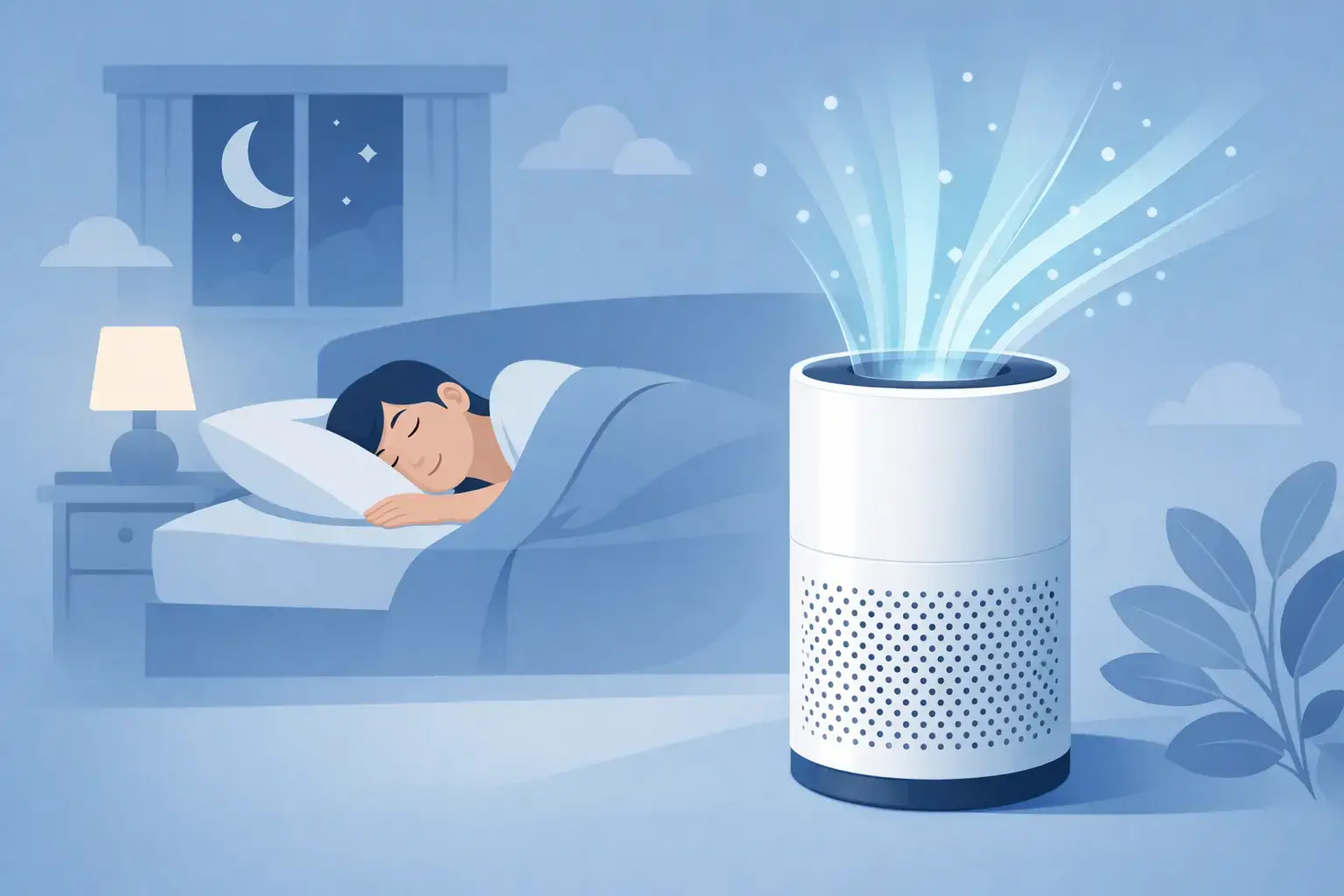
A good purifier helps by continuously pulling air through a filter designed to capture those particles before they circulate back into the room. The result is simple - fewer irritants in the air you breathe for seven or eight hours straight.
For some people, the improvement is obvious within a few nights. They wake up with a clearer nose or less dryness in the throat. For others, the benefit is more gradual. They simply sleep more comfortably because the room feels fresher and less heavy. That difference matters, especially if you spend long days at work, juggle family life or already feel stretched thin. Better sleep rarely comes from one dramatic change. It often comes from removing small nightly frictions.
Who benefits most from cleaner bedroom air
Not every sleeper needs an air purifier. But some bedrooms benefit far more than others.
If you have allergies, this is the clearest case. Pollen brought in on clothing, dust stirred up by bedding and pet dander trapped in soft furnishings can all collect where you sleep. A purifier will not eliminate every trigger, but it can reduce the load in the air itself.
It also helps if you live near a busy road, in a built-up area or somewhere with seasonal pollution spikes. Keeping windows shut can reduce outside pollutants, but then bedrooms can start to feel stale. An air purifier gives you a way to improve air quality without relying on open windows all night.
Pet owners often notice a difference too. Even if the dog never sleeps on the bed, fur and dander travel. The same goes for older homes, carpets, heavy curtains and rooms that seem to gather dust no matter how often you hoover.
There is also a less obvious group - light sleepers. If you wake easily because of a dry throat, a tickly cough or general stuffiness, better air quality may remove one more reason your sleep gets interrupted.
What an air purifier can and cannot do
This is where expectations matter.
An air purifier can reduce airborne particles. It can help create a cleaner sleeping environment. It may support easier breathing at night, particularly if allergies or dust are part of the problem.
It cannot cure snoring caused by airway structure, treat sleep apnoea or replace proper ventilation and cleaning. It also will not do much for issues embedded in fabrics unless those particles become airborne. If your mattress is old, your bedding is rarely washed and your room is full of dust traps, a purifier should be part of the fix, not the whole fix.
The same goes for mould and damp. A purifier may capture some spores in the air, but it does not solve the underlying moisture problem. If the room itself is damp, deal with that first.
Clean air helps. It is not a shortcut around every other sleep habit.
What to look for in an air purifier for better sleep
Bedroom use is different from daytime use in a larger living area. At night, the machine needs to work without becoming the problem.
Quiet operation matters more than most people expect
If a purifier hums loudly, clicks as it changes settings or blasts air across the room, many people will switch it off before bed. That defeats the point. Look for a model designed to run quietly, especially on lower night settings. A soft, steady sound can fade into the background. Unpredictable noise usually cannot.
A proper particle filter is essential
If better sleep is the goal, the filter quality matters more than flashy extras. A true high-efficiency particle filter is what helps capture dust, pollen, dander and fine airborne particles. Without that, you are mostly moving air around.
Room size should match your bedroom
Too small, and the purifier will struggle to clean the air effectively. Too large is not always a problem, but it can be unnecessary if it means paying more for capacity you do not need. Check that the unit is suitable for the size of your bedroom, not just any room in the house.
Simple controls are better at night
Bright displays, app prompts and fiddly settings are not useful at midnight. The best bedroom purifier is easy to switch on, easy to maintain and easy to live with. Sleep products should reduce friction, not add to it.
Filter maintenance should be realistic
Every purifier needs upkeep. If filters are awkward to replace or expensive enough that you postpone it, performance drops. A good machine is only as useful as the state of its filter.
Where to place it in the bedroom
Placement makes a difference, though it does not need to be complicated.
Keep the purifier where air can move around it freely rather than tucked behind furniture or pressed into a corner. It should not be blocked by curtains, bedside tables or piles of laundry. In most bedrooms, somewhere a short distance from the bed works well - close enough to improve the air where you sleep, but not so close that airflow or noise becomes distracting.
If your main issue is dust or pet dander, consistent use is usually more helpful than constantly moving the unit about. Let it run regularly so the room stays cleaner over time.
The bedroom habits that help it work better
An air purifier works best when the room is not fighting against it.
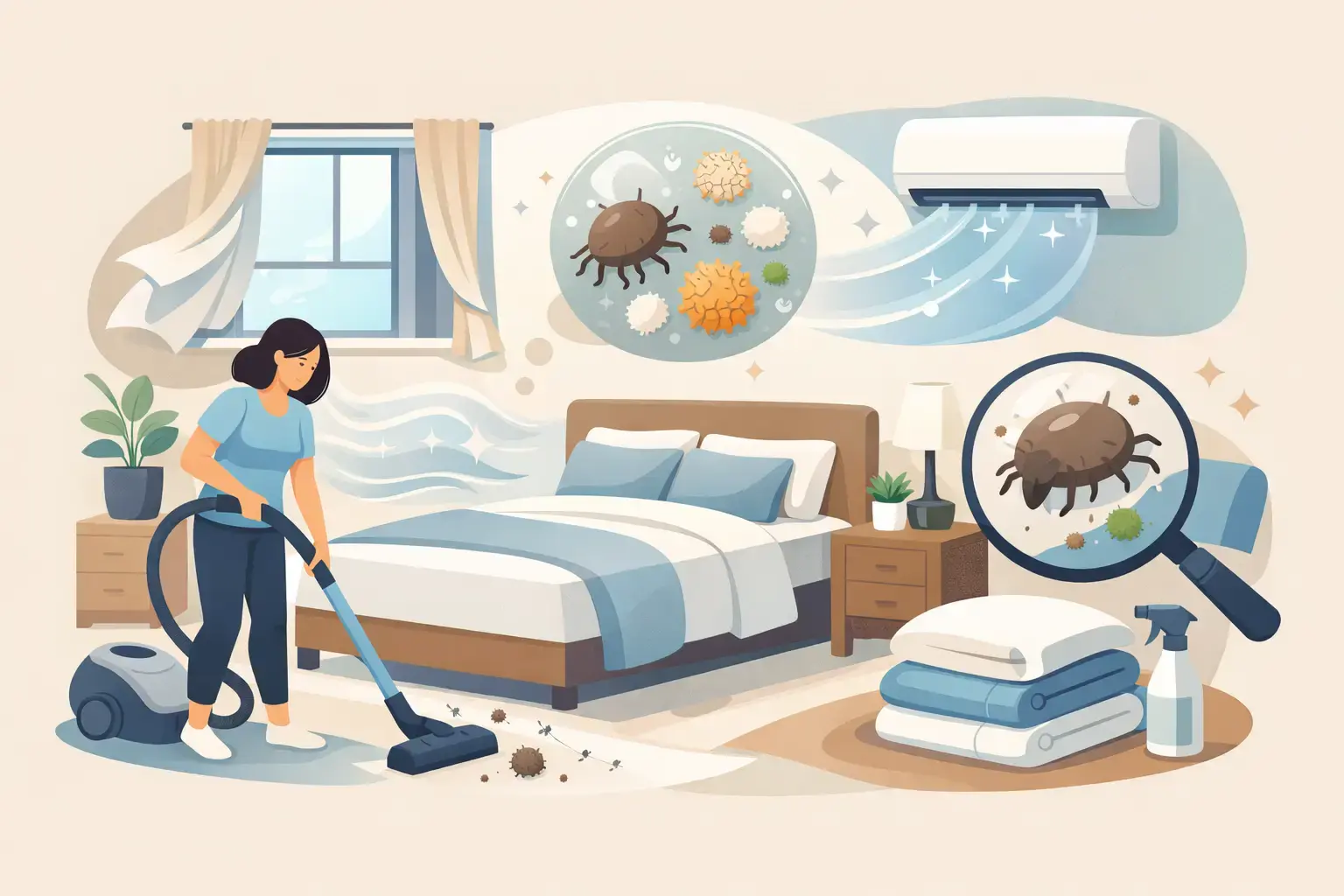
Wash bedding regularly, especially pillowcases. Hoover carpets and rugs properly. If you have curtains that hold dust, clean them more often than you think. Keep pet access consistent rather than occasionally letting them on the bed and then wondering why symptoms flare up.
If pollen is your issue, changing clothes before bed during high-pollen months can help more than people expect. If outdoor air quality is poor, airing the room at the wrong time may undo some of the benefit. It depends on the season, your location and what is actually causing the irritation.
The point is not to build a high-maintenance routine. It is to stop obvious sources of airborne mess from piling up around the place you sleep.
Is it worth buying one just for sleep?
For the right person, yes. Especially if you regularly wake congested, live with allergies, share your home with pets or feel your bedroom air is stale and dusty. In those cases, an air purifier is not a luxury add-on. It is a practical tool.
If your sleep issues have nothing to do with breathing comfort or air quality, the value is less certain. You may still like the feeling of fresher air, but the effect on sleep could be modest. That does not make the product ineffective. It just means the result depends on the problem you are trying to solve.
This is where a more disciplined approach helps. Buy for a clear reason. If the reason is cleaner air at night, focus on quiet performance, effective filtration and ease of use. Ignore the hype.
A well-made purifier should earn its space in the bedroom by doing one job properly. That is the standard people increasingly expect from home wellness products, and rightly so. Brands like Elvora are leaning into that shift for a reason - fewer gimmicks, more practical tools that fit real routines.
If your room feels heavy, your nose blocks up at bedtime or you wake less rested than you should, cleaner air is a sensible place to look. Sometimes better sleep starts with something very simple: giving your lungs less to deal with overnight.