You wake up with a dry throat, a blocked nose, or that heavy, stale feeling in the bedroom and the question quickly becomes practical: air purifier vs humidifier - which one actually fixes the problem? They are often grouped together, but they solve different issues. Choosing the right one comes down to what is wrong with your air in the first place.
If you buy the wrong device, you can spend money, take up space, and still feel no better. That is why it helps to strip the decision back to basics. No hype, no vague wellness claims - just what each machine does, where it works best, and when one makes more sense than the other.
Air purifier vs humidifier: the core difference
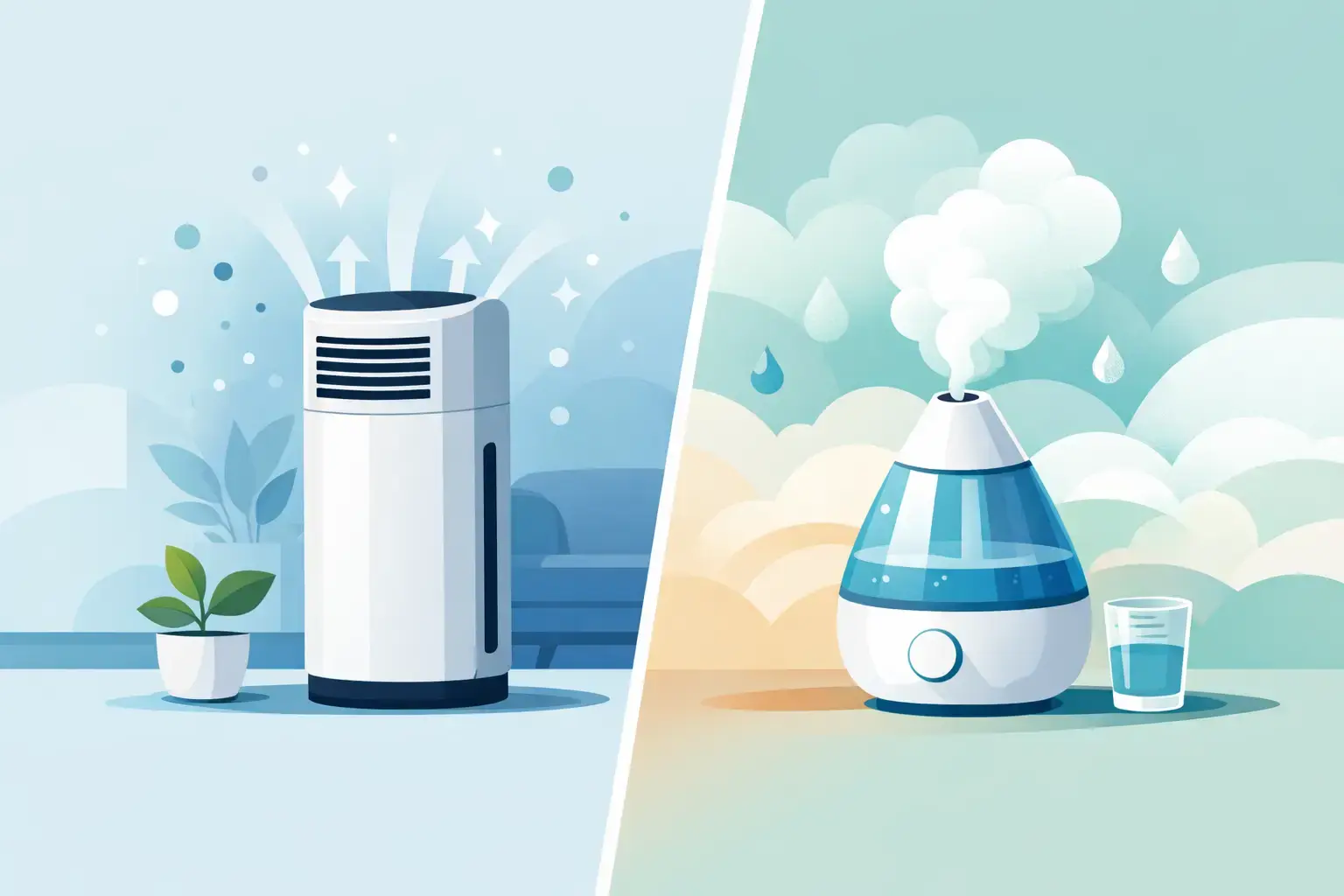
An air purifier cleans the air. A humidifier adds moisture to it.
That sounds simple because it is. An air purifier is designed to remove airborne particles such as dust, pollen, pet dander, smoke, and in some cases odours. It pulls air through filters, traps contaminants, and sends cleaner air back into the room.
A humidifier does not clean anything. Its job is to raise humidity levels when the air is too dry. That extra moisture can make a room feel more comfortable, especially during winter, when central heating leaves the air dry and irritating.
So if your concern is what is floating in the air, you are usually looking at a purifier. If your concern is how dry the air feels, a humidifier is the better fit.
What an air purifier is actually good for
Air purifiers are most useful when indoor air contains particles that trigger symptoms or make the room feel less fresh. That includes common household irritants such as dust, pollen brought in from outside, pet hair and dander, and cooking smoke that lingers longer than it should.
For many people, the biggest benefit is not dramatic. It is quieter than that. You notice less sneezing in the morning. The bedroom feels less stuffy. The room does not hold onto yesterday's cooking smell quite as stubbornly. If you are sensitive to allergens, that change can be significant.
They can also help in homes near busy roads, in households with pets, or in rooms that are not ventilated particularly well. If you live in a flat where opening the window means letting in traffic fumes, an air purifier can be a practical way to improve indoor air quality without relying on outdoor air.
That said, an air purifier is not a cure-all. It will not solve damp, mould caused by condensation, or dryness caused by low humidity. It also will not replace cleaning. If dust is building up on every surface, the purifier can help reduce airborne particles, but it cannot vacuum the shelves for you.
What a humidifier is actually good for
A humidifier helps when the air is dry enough to affect comfort. You might notice dry skin, chapped lips, a scratchy throat, irritated sinuses, or static in fabrics and hair. This is especially common in colder months, when windows stay shut and heating runs for longer.
In those conditions, adding moisture can make a bedroom feel easier to sleep in and can reduce that parched feeling you get overnight. Parents often consider humidifiers for children's rooms during winter colds because moist air may feel gentler on irritated nasal passages, although it is more about comfort than miracle fixes.
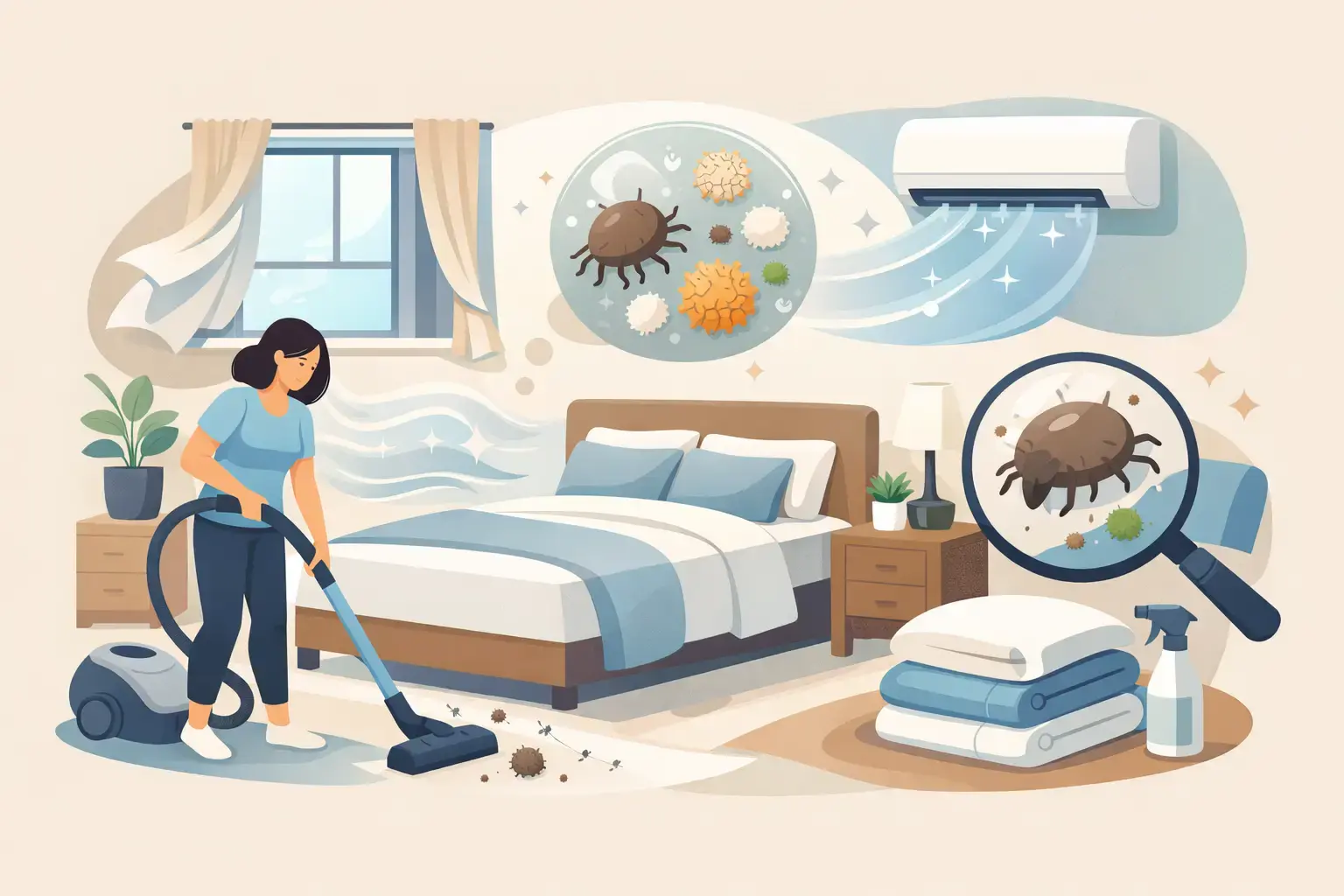
But more humidity is not always better. If a room is already humid, adding extra moisture can make the space feel clammy and uncomfortable. Used badly, a humidifier can also encourage mould or dust mites, both of which thrive in overly damp environments. That is the trade-off. A humidifier can improve comfort in a dry room, but too much moisture creates a different set of problems.
The signs you need one and not the other
If your symptoms flare up around dusting, pet contact, pollen season, or cooking smells, start with an air purifier. The same goes for rooms that feel stale even after a clean. Purifiers are about reducing what you breathe in.
If your main complaints are dryness, nose irritation in winter, tight skin, or waking up with a dry mouth and throat, a humidifier is more likely to help. Humidifiers are about changing how the air feels.
Sometimes the clue is seasonal. Spring and summer often bring more pollen and outdoor particles indoors, which makes a purifier useful. Winter often brings dry indoor air from heating systems, which is where a humidifier can earn its keep.
Sometimes the clue is the room itself. Bedrooms tend to benefit from purifiers when allergies or dust are the issue. Heated home offices can become uncomfortably dry, especially if they are small and closed off, which may point towards a humidifier instead.
Can you use both?
Yes, but only if you have two separate problems to solve.
A purifier and a humidifier are not alternatives in every home. In some households, one person deals with allergies while the room also becomes dry from central heating. In that case, using both can make sense. One keeps the air cleaner. The other keeps it from becoming too dry.
The key is to avoid using a humidifier by default. If humidity is already adequate, adding more moisture will not improve air quality. It may do the opposite. The better approach is to identify the actual issue first, then choose the right tool.
Air purifier vs humidifier for sleep
For sleep, the better device depends entirely on what is disrupting it.
If you wake congested, sneezy, or irritated by dust and allergens in the bedroom, an air purifier is usually the better investment. Cleaner air can make the room feel lighter and more comfortable overnight, especially if you keep windows closed or share the space with pets.
If you wake with a dry throat, dry nose, or irritated skin, a humidifier may be the one that makes bedtime more comfortable. This is common in winter, particularly in heated bedrooms where the air loses moisture for hours at a time.
Noise matters too. Some people are sensitive to the sound of running water or fan motors, so it is worth checking how a device performs in a bedroom setting. The best bedroom device is not just effective. It is one you will actually keep on through the night.
What to consider before buying
The first question is room size. A small device in a large lounge will struggle, whether it is purifying air or adding moisture. Match the machine to the space where you will use it most.
The second is maintenance. Air purifiers need filter changes. Humidifiers need regular cleaning to stop build-up and keep them hygienic. Neither should be treated as a buy-it-and-forget-it product.
The third is how much simplicity matters to you. For most homes, straightforward controls are better than overbuilt features you will never use. A product should fit into daily life without becoming another thing to manage. That is especially true for wellness devices. If it adds friction, it rarely lasts.
It also helps to think about your home as it is, not as an ideal version of it. A busy family house with pets, laundry, cooking and closed windows has different needs from a quiet, well-ventilated home. Buy for real conditions.
The most common mistake
The most common mistake is assuming a humidifier improves air quality because the air feels softer. It may improve comfort in a dry room, but it does not remove pollutants, allergens, or dust. If your issue is airborne particles, moisture is not the fix.
The second mistake is ignoring humidity altogether. If your bedroom is excessively dry, a purifier alone may not solve that papery, irritated feeling in your throat and nose. Cleaner air is helpful, but it is not the same as properly balanced air.
This is where a more disciplined approach pays off. Identify the problem. Match the device to it. Keep the setup simple.
For many households, an air purifier is the more broadly useful choice because indoor air often contains more dust, allergens and everyday pollutants than people realise. But if your home feels dry for months on end, a humidifier may be the thing you notice faster.
Good home comfort is rarely about buying more. It is about choosing what solves the problem in front of you. If the air needs cleaning, clean it. If it needs moisture, add it. Start there, and the right decision becomes much easier.