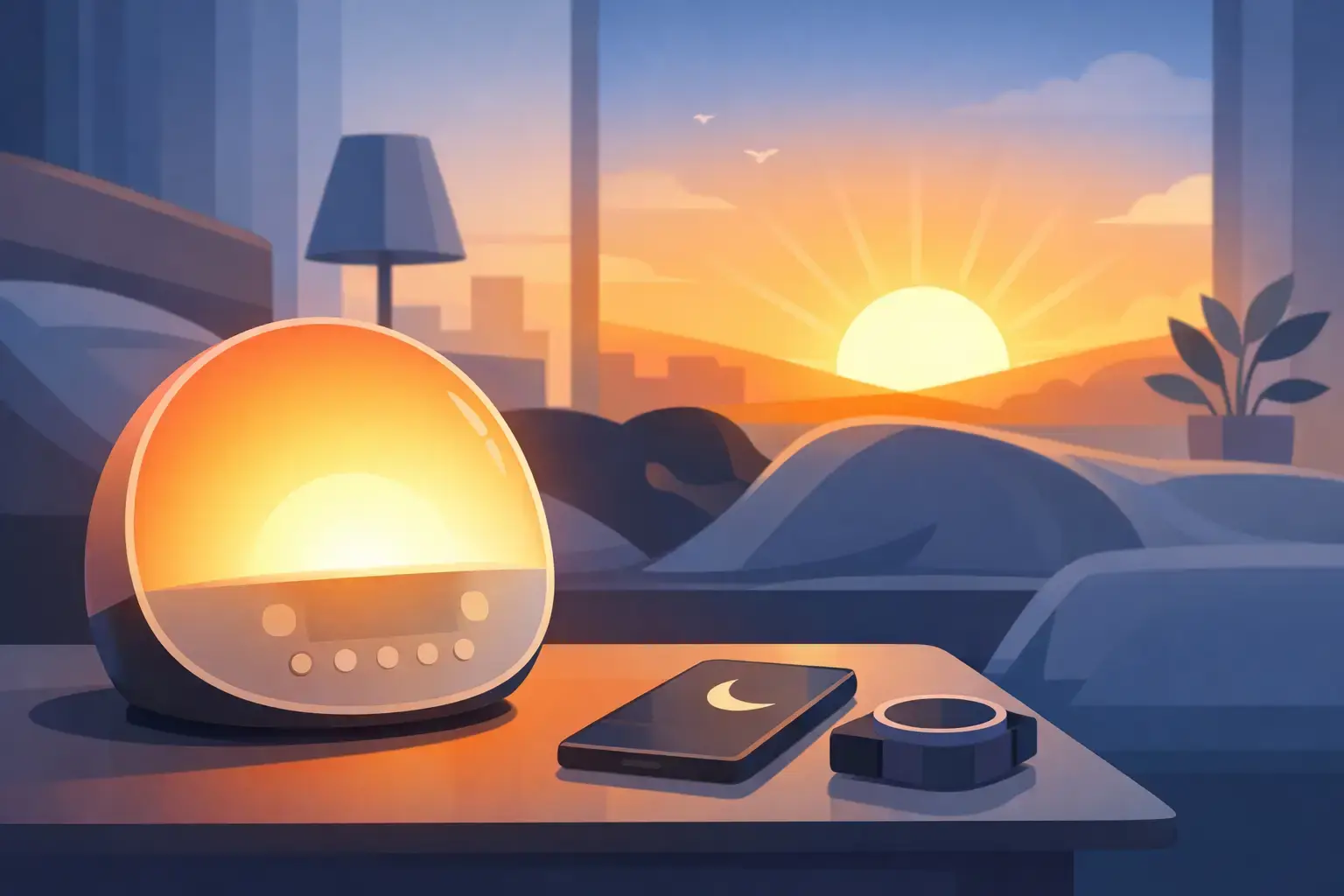
If your alarm feels like a daily ambush, the question is fair: do sunrise alarm clocks work, or are they just another sleep product dressed up well? For many people, they do help - but not in a magical, one-size-fits-all way. The real benefit is simpler than the marketing often suggests. A sunrise alarm clock can make waking up feel less abrupt, less stressful and, for some people, noticeably easier.
That matters more than it sounds. Most people are not looking for a dramatic life overhaul at 6.30 am. They want to feel less groggy, less irritated and less likely to hit snooze three times before dragging themselves into the day.
Do sunrise alarm clocks work in real life?
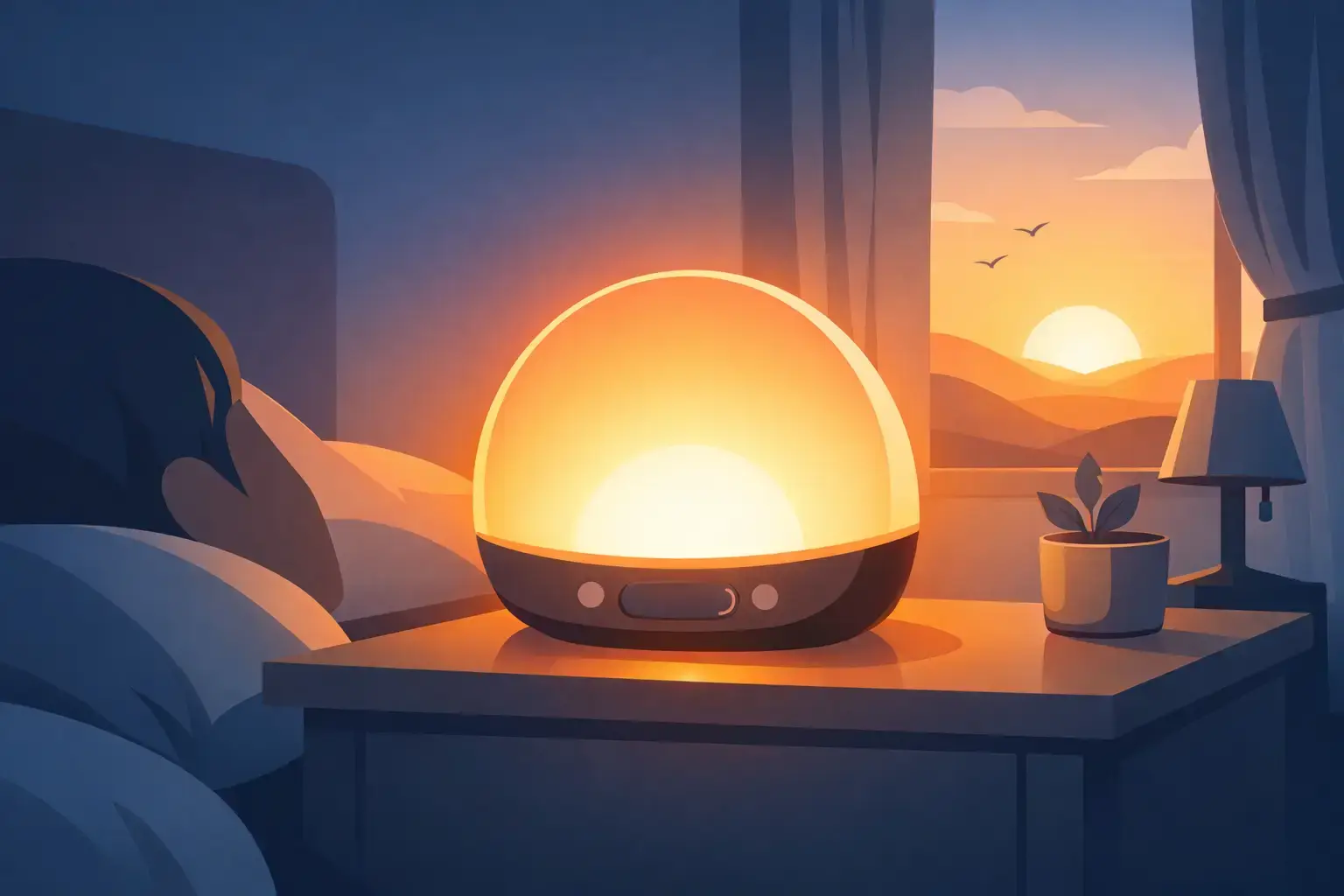
In real life, yes, they often do - especially for people who wake up in darkness, struggle with harsh alarms or feel particularly sluggish in winter. A sunrise alarm clock gradually increases light before your set wake-up time, aiming to mimic a natural dawn. Instead of going from deep sleep to full-volume beeping in a second, your body gets a gentler cue that morning is coming.
That cue can matter because light plays a central role in regulating your sleep-wake cycle. As morning light increases, your body starts shifting towards wakefulness. A sunrise alarm clock tries to recreate part of that process indoors, which can be useful when the weather is grey, the curtains are thick or sunrise comes long after your workday starts.
This does not mean you will suddenly spring out of bed feeling euphoric. It means the transition can feel smoother. For many people, that is the whole point.
Why they can help you wake more naturally
The best case for sunrise alarm clocks is not that they replace sleep basics. It is that they support them. If you are sleeping enough and roughly keeping to a regular schedule, light in the morning can help reinforce that rhythm.
A standard alarm relies on sound and stress. It interrupts. A sunrise alarm clock prepares. That difference is why some people report feeling less disoriented on waking, particularly during darker months when natural daylight is limited.
There is also the mood factor. Waking in a dark room to a harsh tone can feel jarring, especially in winter. A room that gradually brightens tends to feel calmer and more manageable. It is a small environmental shift, but small shifts are often what make a routine stick.
For busy households, that matters. Better mornings are rarely about perfection. They are about reducing friction.
Who tends to notice the biggest difference?
Sunrise alarm clocks are most helpful for people whose current wake-up routine is working against them. If you wake before natural daylight, struggle in winter, or hate loud alarms, you are more likely to notice the benefit.
They can also suit lighter sleepers who wake easily with light, and people trying to create a more consistent morning routine. Parents, shift-adjusting professionals and anyone who feels low-energy on dark mornings often fall into this group.
On the other hand, if you sleep through anything, even loud alarms, a sunrise alarm may help but probably should not be your only wake-up method. In that case, a combined light and sound alarm is usually more realistic.
It also depends on your room. If your bedroom is already bright at wake-up time, adding simulated sunrise may not change much. If your room is very dark, the effect can feel more noticeable.
Where sunrise alarm clocks fall short
This is where the honest answer matters. Sunrise alarm clocks are useful tools, not fixes for every sleep problem.
If you are regularly going to bed too late, waking after broken sleep, dealing with a newborn, working rotating shifts or carrying a sleep debt that builds all week, a sunrise alarm clock cannot solve the root issue. It may make mornings less unpleasant, but it cannot replace sleep.
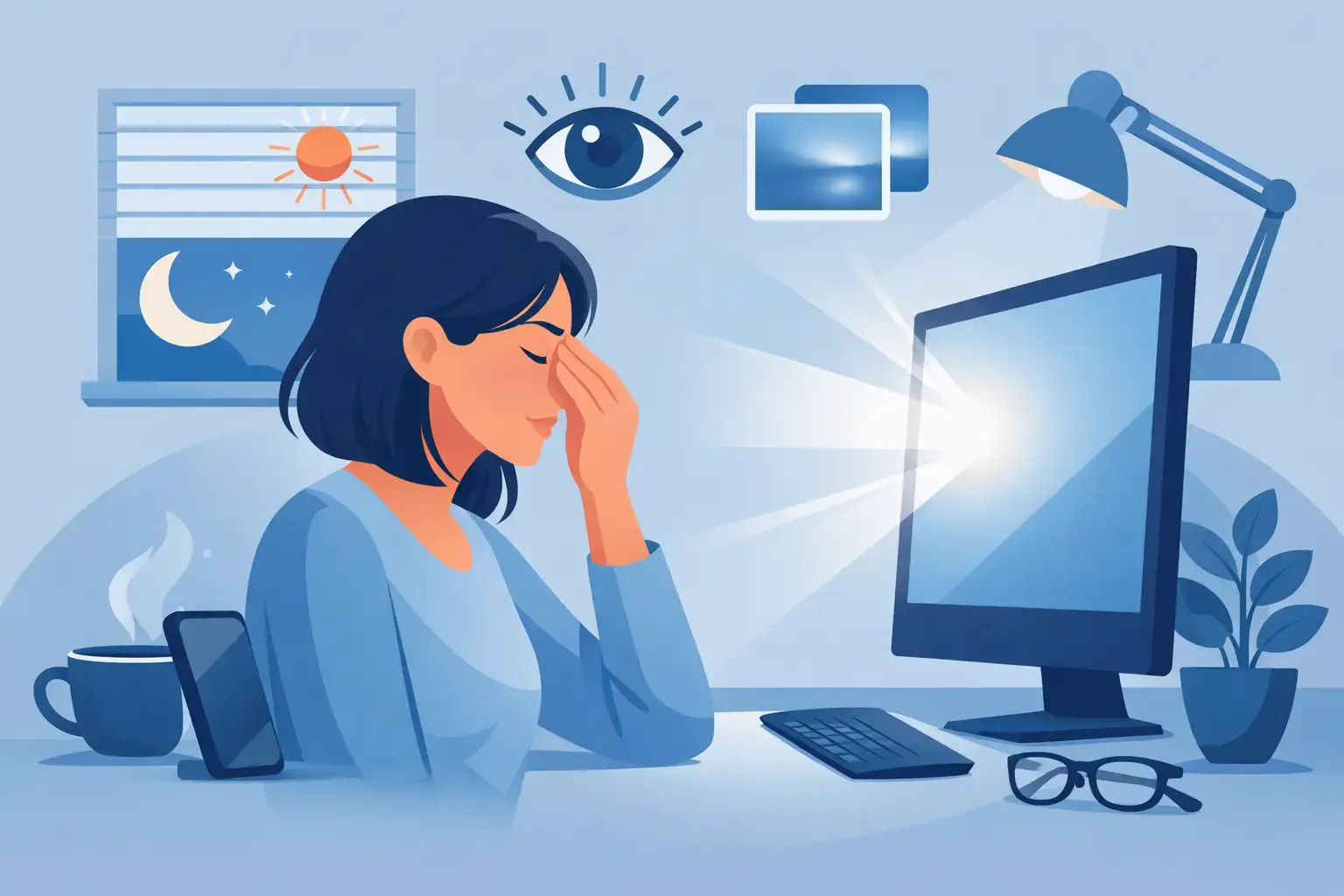
The same applies if your sleep environment is poor. Too much evening screen time, an overheated bedroom, late caffeine and irregular bedtimes will blunt the benefit of any morning device. The light might help you wake, but it will not fully undo habits that are making sleep harder in the first place.
There is also a preference issue. Some people simply do not respond much to gradual light, or they find they still need a firmer audio alarm to get moving. That does not mean the product has failed. It means your body may need a stronger wake signal.
Do sunrise alarm clocks work for winter tiredness?
For many people, this is where they make the most sense. Dark winter mornings can make getting up feel heavier than it does in spring or summer. When sunrise happens after you need to be dressed, fed and out the door, your body can feel out of step with your schedule.
A sunrise alarm clock helps close that gap by introducing light before wake-up time. It is not the same as outdoor daylight, and it is not a medical treatment for seasonal conditions, but it can make winter mornings feel less punishing.
That practical improvement is often enough. You may not feel transformed. You may simply feel less reluctant to get out of bed, and that is a worthwhile gain if it happens every day.
What to look for if you want one that actually helps
Not all sunrise alarm clocks are equally useful. The core feature is simple: gradual brightening over a set period before your alarm time. If that function is weak, awkward to set, or too dim for your room, the product becomes easier to ignore.
Brightness matters. So does the length of the sunrise period. Many people do well with 20 to 30 minutes of increasing light, but preferences vary. A good unit should let you adjust this without making setup a chore.
A backup sound alarm is also worth having. Even if your goal is a gentler wake-up, a sound option gives you reliability on deeper-sleep mornings. The best products do not force you to choose between natural and practical.
Ease matters too. If a device needs constant app use, fiddly syncing or too many settings buried in menus, it stops feeling helpful. For most homes, the better option is straightforward: set the time, choose the light behaviour, leave it on your bedside table and let it do its job.
That is one reason brands such as Elvora focus on functional home wellness devices rather than overbuilt gadgets. If it adds friction, it tends to get abandoned.
How to get better results from one
Placement makes a difference. The light should be close enough to reach your eyes through closed lids or as you naturally stir, but not so harsh or badly positioned that it feels intrusive. A bedside table is the obvious choice for most rooms.
Consistency matters as well. Sunrise alarms tend to work best when used daily, not randomly. Your body responds to patterns. If your wake time swings wildly from one day to the next, the effect may feel less clear.
It also helps to support the morning light with a decent evening routine. That does not mean turning your home into a sleep clinic. It means basic things done well: a sensible bedtime, less bright light late at night, and a bedroom that feels comfortable rather than overstimulating.
Used that way, a sunrise alarm clock is not trying to do everything. It is doing one useful job properly.
Are they worth buying?
If your current alarm leaves you startled, irritable or glued to the snooze button, a sunrise alarm clock is worth considering. The improvement may be modest, but modest daily improvements are often the ones that last.
They are especially worth it if you value a calmer start to the day and want something that fits into your routine without demanding more screen time, more subscriptions or more effort. That is the appeal. Not hype. Just a better wake-up environment.
Still, it is worth buying with realistic expectations. You are not purchasing motivation, discipline or eight hours of sleep in a lamp. You are buying a gentler signal to wake up, and for the right person, that can make mornings noticeably easier.
If you have been forcing yourself awake in darkness and wondering why every morning starts badly, that is usually the clearest sign. Sometimes the fix is not dramatic. Sometimes it is just better light, at the right time, in the room where your day begins.
And that is often enough to make tomorrow morning feel more manageable.