You notice it most at night. A stuffy bedroom, a tickly throat, a blocked nose, that faint sense the air feels heavy. If you have ever wondered, are air purifiers good for sleep, the short answer is yes - for the right person, in the right room, with the right expectations.
An air purifier is not a cure for poor sleep. It will not fix stress, late caffeine, an overheated bedroom or a bad mattress. What it can do is remove some of the things that make sleep harder than it needs to be, especially dust, pollen, pet dander and other airborne particles that irritate your airways. For many people, that makes nights quieter, breathing easier and sleep less broken.
Are air purifiers good for sleep, really?
They can be. The clearest benefit comes when poor air quality is part of the problem.
If you wake up congested, sneeze in bed, sleep with pets nearby, live near a busy road or struggle during hay fever season, cleaner air can make a noticeable difference. Less irritation in the bedroom often means fewer sleep interruptions. You may not fall asleep faster on night one, but you may sleep more comfortably through the night.
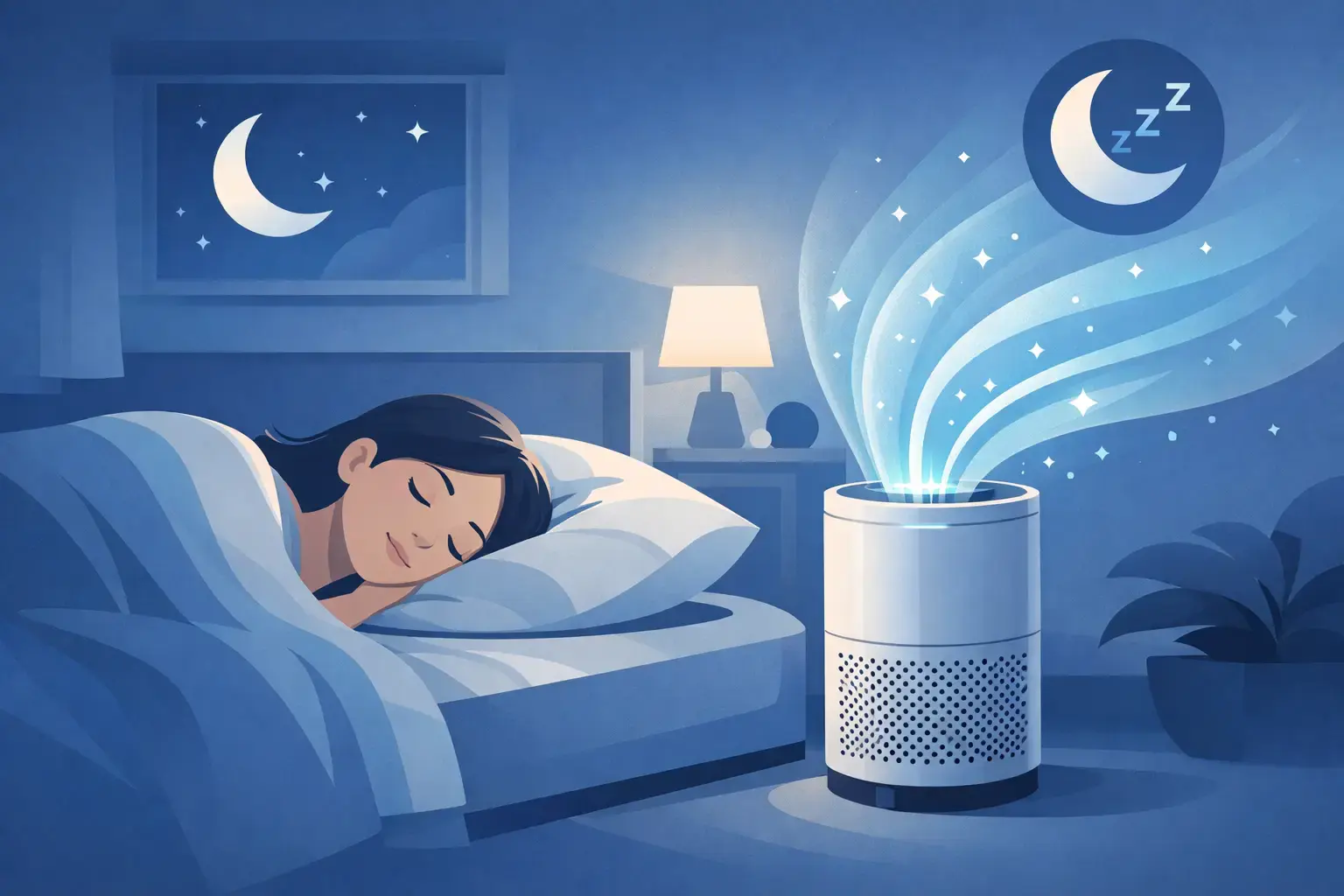
There is also a second effect that people often overlook. A good air purifier creates a more controlled sleep environment. The bedroom feels fresher. The air feels less stale. If the unit has a soft, steady fan sound, some people find that helps mask background noise from traffic, neighbours or a snoring partner. That does not mean every purifier improves sleep, but a quiet one can support it.
The key point is simple. Air purifiers help sleep indirectly. They improve the air, and better air can support better rest.
How cleaner air affects sleep
Sleep is physical. If your nose is blocked, your throat feels dry or your chest feels irritated, your body has to work harder to settle.
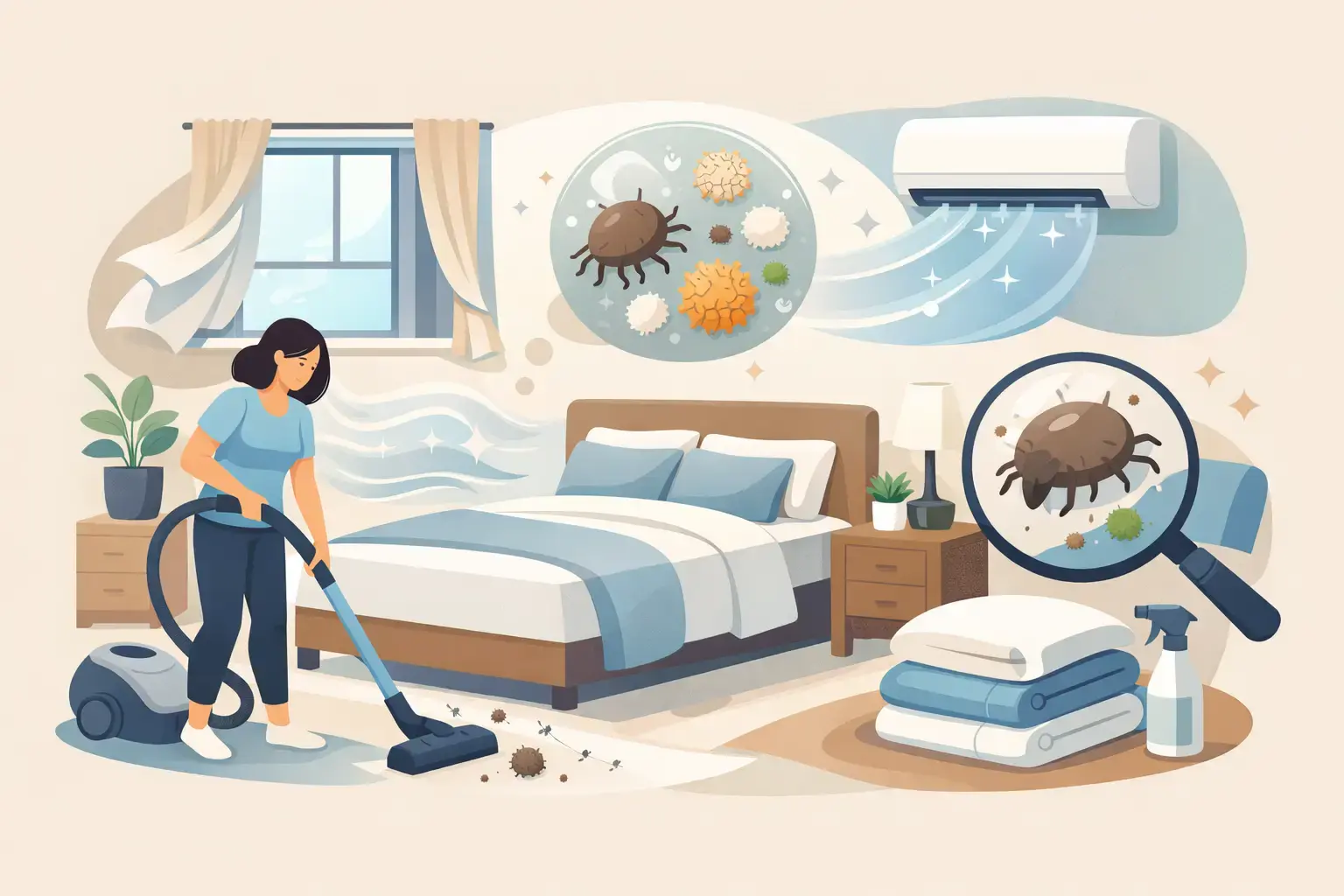
That is why airborne particles matter more at night than people think. Dust and pet dander collect in soft furnishings. Pollen comes in through windows, on clothes and in hair. Smoke and outdoor pollution can drift indoors and linger. In a closed bedroom, those particles do not always have anywhere to go.
A purifier with proper filtration can reduce that load. For allergy sufferers, this may mean less sneezing and less nasal congestion at bedtime. For light sleepers, it may mean fewer small disturbances during the night. For anyone sensitive to stale air, it can simply make the room feel more comfortable.
There are limits, though. If the issue is dry air, an air purifier will not add moisture. If mould is growing behind a wall, the machine will not solve the source. If your sleep problem is mainly stress or hormones, cleaner air may help the room feel better without changing the root cause. It is useful, but it is not magic.
Who benefits most from sleeping with an air purifier?
Some people notice the difference quickly. Others barely notice it at all.
The group most likely to benefit includes allergy sufferers, people with mild respiratory sensitivity, pet owners, city residents and anyone whose bedroom tends to feel dusty or stuffy. Parents often see value too, especially if a child wakes congested or reacts to seasonal pollen.
If you live in an older property, a flat near traffic, or a home where windows stay shut for long periods, air quality can be worse than it feels. Bedrooms also hold onto particles because we spend hours in them with the door closed. That makes them one of the most worthwhile rooms for an air purifier.
On the other hand, if your bedroom air is already clean, well ventilated and free from common triggers, the sleep benefit may be modest. You might still like the sense of freshness, but it may not transform your nights.
What an air purifier can and cannot do
This is where expectations matter.
A good air purifier can remove airborne particles from the room. Depending on the filter setup, it may also help reduce certain odours. That can support more comfortable sleep if your issue is irritants in the air.
It cannot wash bedding, remove dust from carpets, stop pets shedding or fix damp. It cannot cancel every smell instantly. And it cannot compensate for poor sleep habits. If you scroll in bed until midnight, drink wine late and keep the room too warm, an air purifier is not the missing piece.
Think of it as part of a cleaner sleep setup, not the whole setup. It works best alongside regular cleaning, fresh bedding, sensible humidity and a cool, dark room.
What to look for if sleep is the goal
If you are choosing a purifier mainly for the bedroom, noise matters as much as filtration.
A machine can be excellent on paper and still be wrong for sleep if it hums, rattles or throws out bright light. Look for a unit designed to run quietly, ideally with a low-noise sleep mode. Consistent airflow is fine. Harsh fan noise is not.
Proper filtration is equally important. A true HEPA filter is the benchmark for capturing fine airborne particles such as dust, pollen and pet dander. If odours are part of the issue, an activated carbon layer can help. This matters in homes with pets, cooking smells nearby, or traffic pollution drifting in from outside.
Room size is another practical point people miss. A purifier that is too small for the room will struggle, especially overnight. Bedroom placement matters too. Tucked behind furniture or pushed into a dusty corner, it will not perform as well as it should.
And keep it simple. The best purifier for sleep is usually not the one with the longest feature list. It is the one that is effective, quiet and easy to live with every day. That is where practical brands such as Elvora make sense - products built to solve a problem without turning the bedroom into another screen-led routine.
Common mistakes that make air purifiers less effective
A surprising number of people try one, feel underwhelmed and assume air purifiers do not work. Often, the issue is setup.
Running the machine only occasionally will limit the benefit. Air purifiers work best when used consistently, especially in the bedroom. Air quality changes throughout the day, and particles keep entering the room. Leaving it on overnight and for a period before bed usually makes more sense than switching it on for twenty minutes and hoping for the best.
Dirty filters are another common problem. If the filter is clogged, performance drops. Replacing filters on schedule is not glamorous, but it is part of getting the result you paid for.
Open windows can also affect expectations. Fresh air is often welcome, especially in summer, but if pollen counts are high or traffic pollution is nearby, you may be letting in the very particles you want to reduce. It depends on your environment.
Are air purifiers good for sleep if you snore?
Sometimes, but not in the way many people hope.
If snoring is made worse by nasal congestion from allergies or airborne irritants, cleaner air may help reduce that congestion and make breathing easier. In that case, an air purifier can support quieter sleep.
But if snoring is linked to sleep position, alcohol, weight, or sleep apnoea, a purifier is unlikely to make much difference. It may improve the room, but it will not treat the actual cause. If snoring is loud, frequent or paired with gasping and daytime fatigue, that needs proper medical advice.
The bottom line for most households
For the right bedroom, an air purifier is a practical upgrade. Not flashy. Not life-changing for everyone. Just useful.
If your sleep is affected by dust, pollen, pets, stale air or mild irritation, the answer to are air purifiers good for sleep is yes, often enough to be worth considering. If your main sleep issues sit elsewhere, the benefits may be smaller, but a cleaner, calmer bedroom is rarely a bad investment.
The best test is not whether a purifier promises perfect sleep. It is whether it removes one more obstacle between you and a better night. Sometimes that is exactly what a bedroom needs.