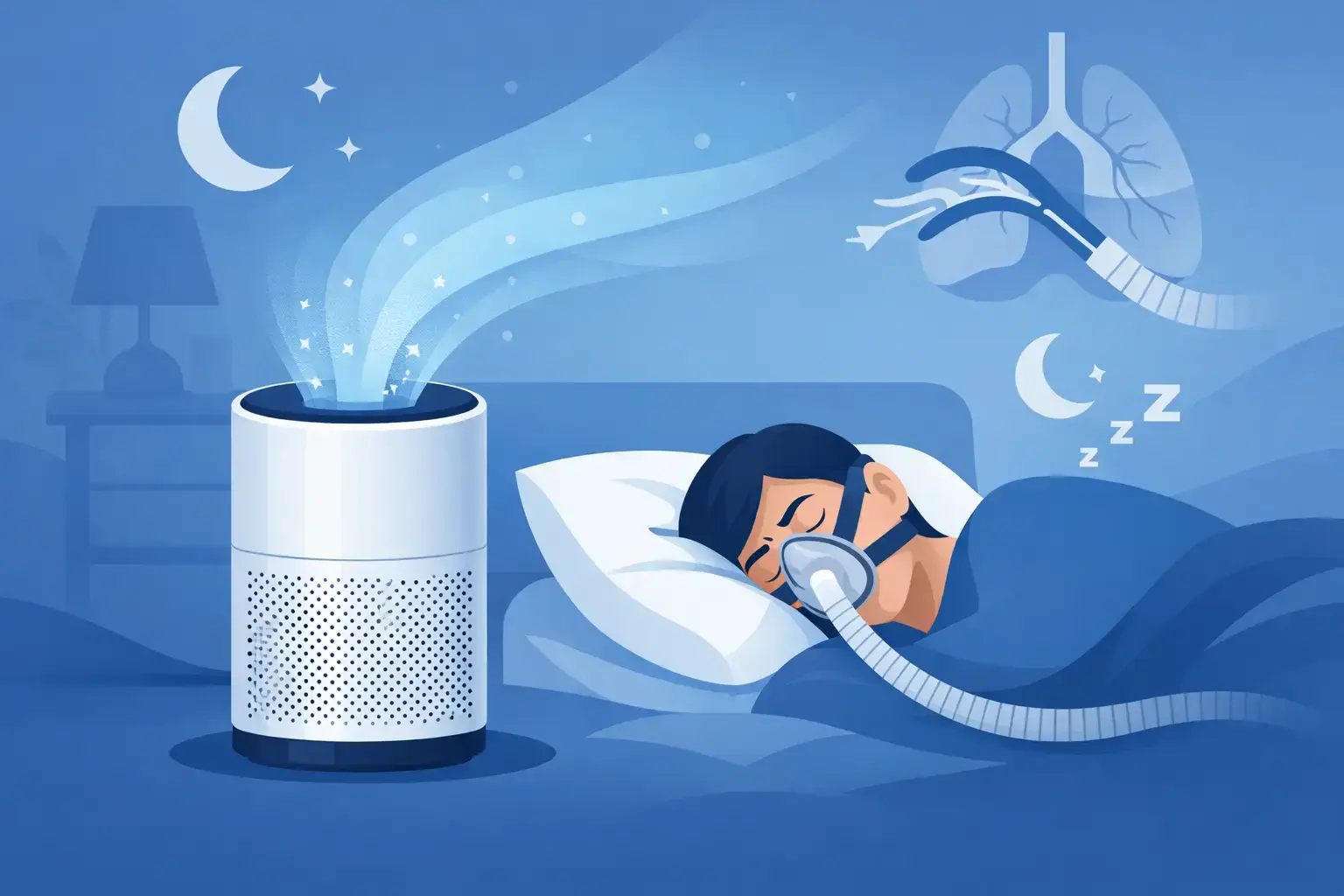
A dry throat at 3am, a blocked nose before bed, a room that feels stuffy even with the window cracked open - these are small problems until they start stealing sleep. If you are searching for the best air purifier for sleep apnoea, the first thing to know is this: an air purifier does not treat sleep apnoea itself, but it can make the bedroom air cleaner and more comfortable, which may help reduce some of the things that make nights feel worse.
That distinction matters. Sleep apnoea is a medical condition involving repeated interruptions to breathing during sleep. An air purifier cannot replace a CPAP machine, medical advice, or proper diagnosis. What it can do is remove common airborne irritants such as dust, pollen, pet dander and smoke particles, all of which can aggravate congestion, throat irritation and poor sleep quality.
Can the best air purifier for sleep apnoea actually help?
Yes, but in a supporting role. If your sleep is affected by allergies, household dust, pet hair or poor indoor air, an air purifier may help create a cleaner sleep environment. That can be useful if nasal blockage makes breathing feel harder at night or if airborne irritants leave your throat and airways feeling irritated by morning.
For some people, that means fewer bedtime sniffles and less overnight congestion. For others, it simply means the bedroom feels fresher and easier to sleep in. The benefit is often indirect, but still worthwhile. Better air can support better rest, even if it is not the main treatment for sleep apnoea.
It also depends on what is driving your discomfort. If your main issue is untreated obstructive sleep apnoea, an air purifier will not solve it. If your issue is sleep apnoea plus allergies, dust sensitivity or a bedroom with poor ventilation, it may be a smart addition.
What to look for in the best air purifier for sleep apnoea
Not every purifier is suitable for a bedroom, and not every feature is useful. The right one should earn its place quietly and consistently.
A true HEPA filter
If you want meaningful particle removal, start here. A true HEPA filter is designed to capture very fine airborne particles, including dust, pollen, mould spores and pet dander. These are the irritants most likely to affect breathing comfort in the bedroom.
Marketing terms can be vague, so watch for clear wording. “HEPA-style” and similar phrases often sound reassuring without guaranteeing the same filtration standard.
Quiet operation
This matters more than many people expect. A purifier that cleans well but hums loudly all night can become part of the problem. For a bedroom, quiet performance on lower settings is often more useful than a machine built to blast air at maximum power.
A sleep mode is worth having, especially if it dims display lights and reduces fan noise. Bedrooms do not need drama. They need calm.
Suitable room coverage
A purifier should match the size of the room it is actually used in. Too small, and it will struggle to clean the air effectively. Too large, and you may pay more than necessary.
Check the stated room size with a bit of realism. If your bedroom is on the larger side, has high ceilings, or includes an en suite, it may be worth sizing up rather than cutting it fine.
Sensible filter replacement
The best machine on paper becomes a poor buy if the filter is expensive, hard to find or awkward to change. Running costs matter because purifiers only work when maintained properly.
A simple filter system is usually best. No one wants a bedtime routine that involves an instruction manual.
Low-light and easy controls
This is a small detail that makes a real difference. Bright LEDs, fiddly apps and overcomplicated settings do not belong in a sleep setup. Clear controls on the unit itself are often the better choice.
For many households, the best product is the one that works well without demanding attention. That is especially true at night.
Features that sound useful but often are not
Air purifier shopping can get cluttered fast. Some functions are genuinely helpful. Others are mostly there to make the product page look busy.
Ionisers are a common example. Some people like them, but they are not essential for cleaner bedroom air, and many buyers prefer to avoid them altogether. The same goes for app-heavy controls if all you really need is a quiet machine with a reliable filter and an easy night mode.
Air quality sensors can be useful, but they are not always the deciding factor in a bedroom. If the purifier quietly removes particles and is easy to live with, that usually matters more than flashy readouts.
Air purifier or humidifier for sleep apnoea?
This is where people often get stuck. The two are not interchangeable.
An air purifier removes particles from the air. A humidifier adds moisture. If your room feels dry and your throat is sore when you wake up, a humidifier may help more with comfort. If your room is dusty, allergy-prone or affected by pet dander, an air purifier is the more relevant tool.
Some people benefit from both, but they solve different problems. If you use a CPAP machine and struggle with dryness, humidification may already be part of your setup. In that case, an air purifier can complement it by improving the room air around you.
The bedroom setup matters as much as the machine
Even the best air purifier for sleep apnoea will underperform in a room that keeps feeding irritants back into the air. If the bedroom is full of dust traps, rarely cleaned fabrics and closed-in stale air, the purifier has more work to do.
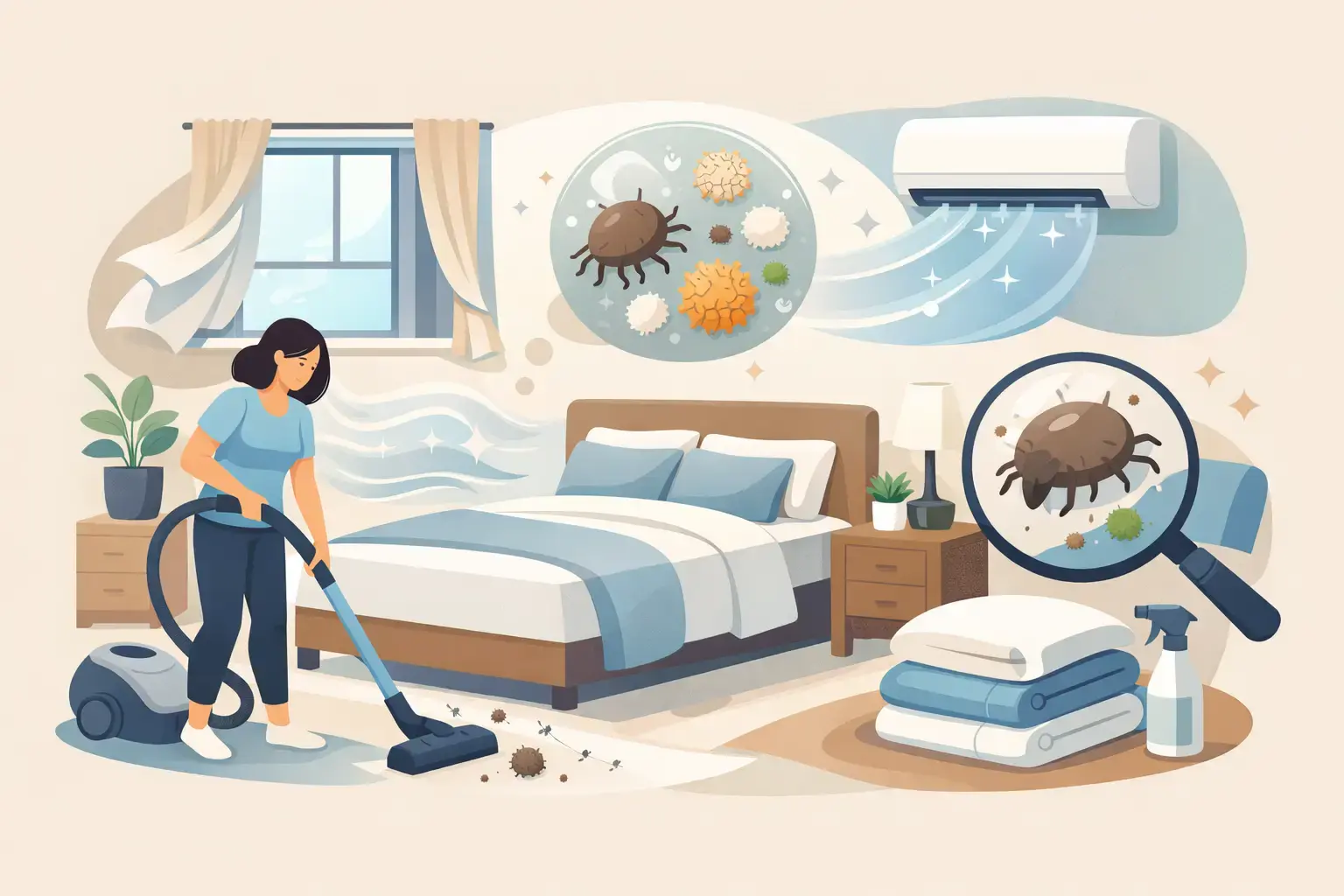
Start with the basics. Wash bedding regularly. Vacuum carpets and rugs properly. Keep pets off the bed if dander is a trigger. If pollen is an issue, avoid leaving windows open late into the evening during high pollen periods. These are not glamorous changes, but they help.
Placement matters too. A purifier should have space around it so air can circulate properly. Tucking it behind furniture or into a tight corner limits performance. In most bedrooms, placing it near the bed but not directly blasting air at your face works well.
Who is most likely to notice a difference?
The people most likely to benefit are those whose sleep apnoea overlaps with allergy symptoms, nasal congestion or poor indoor air. If you wake with a blocked nose, irritated throat or a sense that the bedroom air feels heavy, cleaner air may help the room feel easier to sleep in.
It may also help if you live with pets, sleep in an older home, or share your space with common triggers such as dust or seasonal pollen. Busy homes collect particles quickly. A good purifier can help keep that background load down.
If, however, your sleep apnoea is being driven by factors that have little to do with air quality, expectations should stay realistic. Cleaner air can improve comfort. It cannot correct airway collapse during sleep.
How to choose without overbuying
A lot of people shop for air purifiers as if they are buying lab equipment. Most do not need that. For a bedroom, the better approach is simple: choose a unit with true HEPA filtration, quiet running, appropriate room coverage and straightforward upkeep.
You do not need endless smart features. You do not need a machine that looks impressive but is irritating to use. You need something you can switch on every night and forget about.
That practical approach is part of why brands like Elvora appeal to households that want comfort without friction. The best wellness products are the ones that fit into daily life and quietly do their job.
When to speak to a professional
If you suspect sleep apnoea and have not been assessed, that comes first. Loud snoring, gasping in sleep, morning headaches, daytime fatigue and poor concentration are not things to brush off. If you already use treatment and still feel consistently unwell, it is worth reviewing that with a healthcare professional too.
An air purifier is a support tool, not a workaround for proper care. Used for the right reason, it can improve the sleep environment. Used as a substitute for treatment, it will disappoint.
The better question is not just what is the best air purifier for sleep apnoea, but what is making your nights harder than they need to be. If cleaner air is part of that answer, a quiet, well-made purifier can be a genuinely useful addition to the bedroom. Better sleep often starts with removing the obvious irritants and keeping the room calm enough to rest in.