If your bedroom feels stuffy by 10 pm, or you wake with a dry throat, blocked nose, or that faint heavy-air feeling, the problem is often simpler than it looks. Finding the best air filter for sleeping is less about buying the most expensive machine and more about choosing one that works quietly, cleans properly, and fits the room you actually sleep in.
That matters because sleep is unforgiving. A purifier that is brilliant on paper but too loud, too bright, or too fiddly will not last long by the bedside. The right one should fade into the background and do its job night after night.
What makes the best air filter for sleeping?
At night, the priorities change. In a living room, you might tolerate a stronger fan, more visible controls, or a larger unit. In a bedroom, comfort wins. The best air filter for sleeping needs to balance four things well: filtration, noise, room coverage, and ease of use.
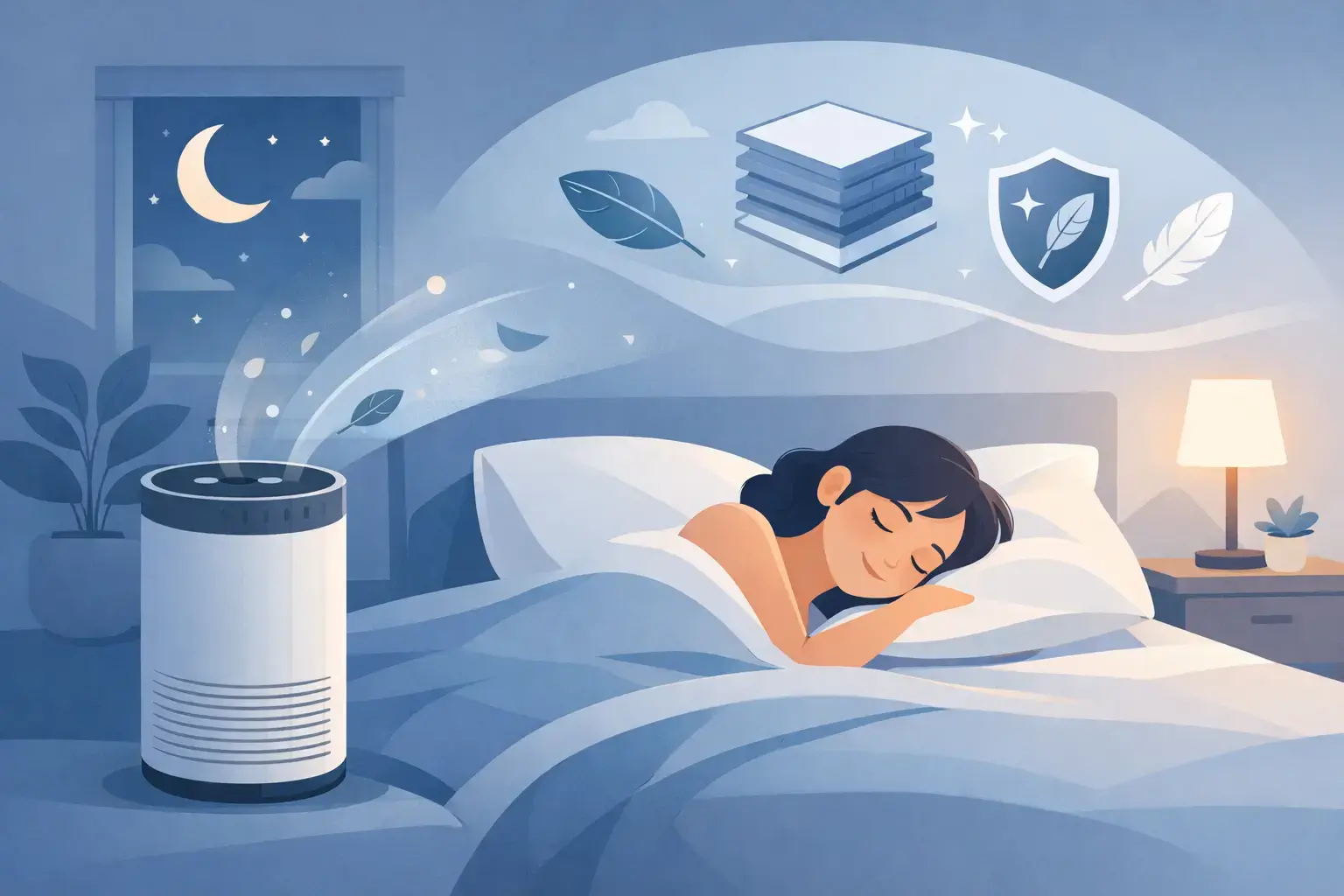
Filtration is the obvious one. If you are trying to reduce dust, pollen, pet dander, and other airborne particles, a true HEPA filter is usually the clearest place to start. It captures very small particles that can otherwise linger in the air and irritate your nose, throat, or chest. For many people, that is the difference between drifting off comfortably and waking several times in the night.
Noise is just as important, and it is often underestimated. Many people focus on purification speed and ignore the fact that a machine can be technically effective while still being annoying at 2 am. Some sleepers like a soft layer of white noise. Others need near silence. There is no universal right answer, but there is a wrong one: a purifier with a high-pitched motor tone, rattling housing, or sudden changes in fan speed.
Room coverage also matters more than marketing headlines suggest. A purifier designed for a small box room will struggle in a large main bedroom, especially if you share the space with a partner, pets, or open windows. On the other hand, buying a unit far larger than you need can mean paying more for power you rarely use.
Then there is usability. At bedtime, nobody wants app prompts, flashing icons, or a setup process that feels like a side project. A good bedroom purifier should be easy to live with. Clear controls. Simple filter replacement. Sensible sleep mode. No nonsense.
HEPA, carbon, and what you really need at night
Air filter terminology gets crowded fast, but most sleep shoppers only need to understand a few basics.
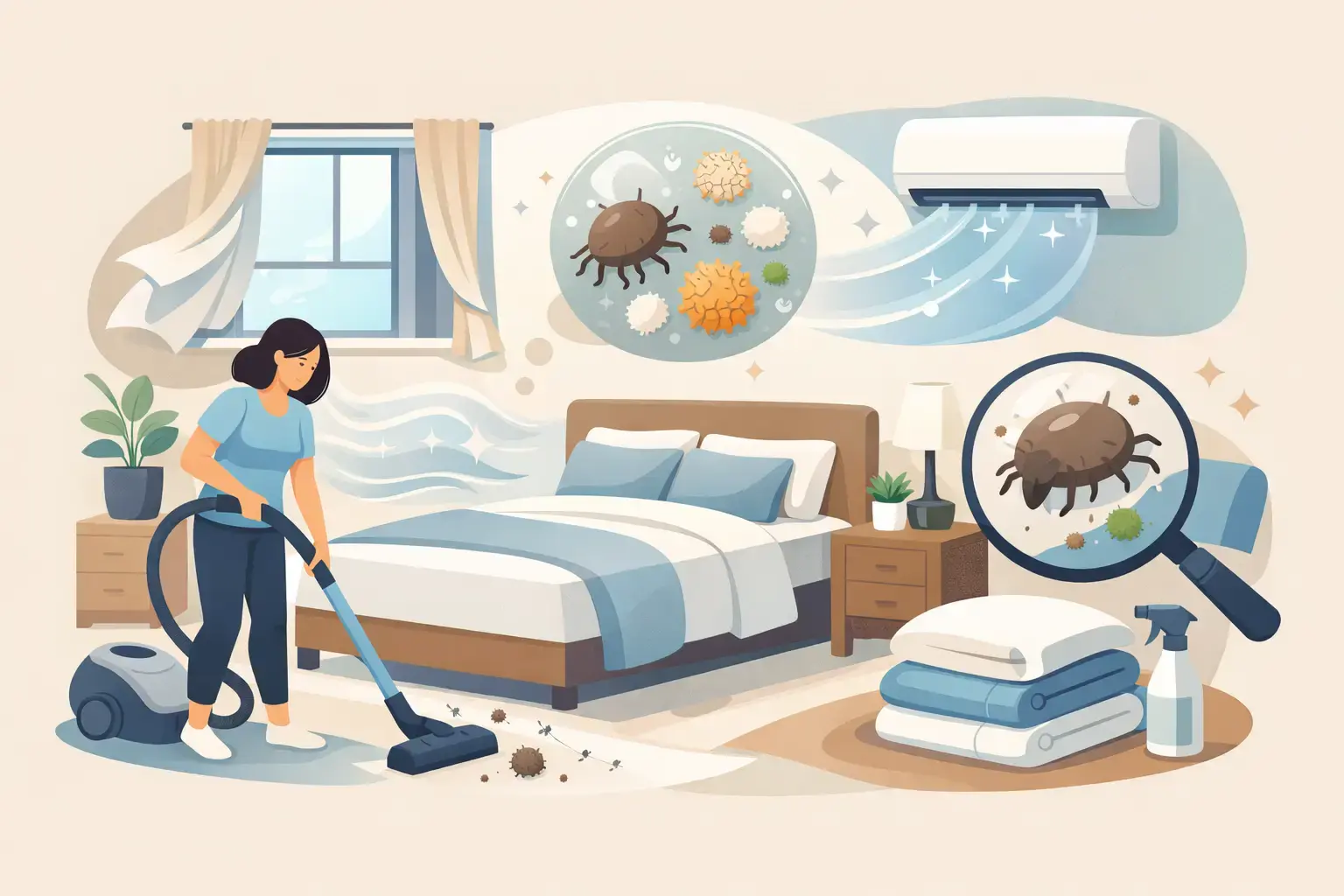
If allergies or dust are your main issue, HEPA filtration is usually the priority. It is designed to trap fine particles such as pollen, mould spores, dust, and pet dander. These are the usual suspects when your nose blocks up at night or you wake feeling less rested than you should.
If smells are part of the problem, think beyond HEPA. A carbon filter helps with odours, smoke, cooking smells that drift upstairs, and some household gases. This can be particularly useful in smaller homes, flats, or bedrooms near busy roads, kitchens, or shared walls.
Some machines combine both, and for many homes that is the sweet spot. Particle removal keeps the air cleaner to breathe, while carbon helps the room feel fresher and less stale. If your bedroom tends to hold on to pet smells, outside pollution, or the lingering scent of detergent and cleaning products, carbon becomes more valuable.
There is one trade-off worth mentioning. Thicker, more capable filtration can reduce airflow if the machine is underpowered. That is why filter quality and motor performance need to work together. A good purifier is not just about what the filter can catch. It is also about whether enough air moves through it to make a real difference overnight.
The features that help you sleep, not just shop
A lot of purifier features look good on a product page and matter very little in a dark bedroom. The useful ones tend to be less flashy.
A proper sleep mode is worth having. That usually means dimmed lights, reduced fan speed, and a quieter operation profile. If the display can be fully switched off, even better. Tiny LEDs can feel much brighter at 1 am than they do in a daytime showroom.
Automatic mode can be helpful, but only if it behaves well. Some units ramp up aggressively whenever they detect a change in air quality, which may be fine in the kitchen and less welcome beside the bed. If you are a light sleeper, manual control can be the better option. Set it once and let it run steadily through the night.
Filter replacement should also be straightforward. If maintenance is awkward or expensive, many people put it off, and performance slips. The best bedroom purifier is one you will keep in good working order without a second thought.
Size and placement matter too. A huge unit may look powerful, but if it dominates the room or blocks walkways, it becomes an irritation. A compact purifier that can sit comfortably near the bed, without blowing directly at your face, is often the better fit for everyday use.
Who benefits most from an air filter in the bedroom?
Not everyone needs the same setup, but some sleepers tend to notice the difference faster than others.
If you have hay fever, mild allergies, or a sensitivity to dust, cleaner bedroom air can reduce the background irritation that builds over the course of a night. That may mean less sneezing first thing, fewer blocked sinuses, and fewer wake-ups caused by dry, irritated airways.
Pet owners are another clear group. Even if pets do not sleep on the bed, dander travels easily and settles everywhere. A purifier can help lower that load, especially in homes where bedrooms never feel fully dust-free.
City dwellers and anyone near traffic may also benefit. Fine outdoor particles do not stay outdoors. They come in through windows, doors, clothes, and general day-to-day living. If your room faces a main road, air quality at night can be worse than you think.
And sometimes the issue is not a diagnosed allergy at all. It is simply comfort. Cleaner-feeling air, fewer lingering smells, and a room that feels less stale can make winding down easier. Better sleep often starts with removing small irritations before they become bigger ones.
How to choose the right one for your room
Start with the size of your bedroom, not the size of the claims. Check the purifier’s recommended room coverage and be realistic. If your bedroom is on the upper end of that range, especially with high ceilings or poor ventilation, it is wise to size up slightly.
Next, think about your sleep sensitivity. If noise bothers you, prioritise low operating volume over maximum airflow. If allergies are the issue, make sure HEPA filtration is clearly stated. If odours or traffic pollution are part of the picture, look for an activated carbon layer as well.
Then consider how you actually live. Do you want to set it and forget it? A simple control panel may suit you better than a feature-heavy model. Do you like a little white noise? A steadier fan profile may help. Do you move devices between rooms? Weight and footprint become more relevant.
There is also the cost of ownership. Some cheaper units only stay cheap until the replacement filters arrive. A better-built purifier with sensible filter intervals can be the more practical buy over time.
For many households, the best choice is not the most advanced machine. It is the one that gives you clean air with the least friction. That idea sits at the heart of good home wellness products generally, and it is why brands like Elvora focus on tools that earn their place through daily usefulness rather than gimmicks.
Common mistakes people make
One common mistake is buying on peak performance alone. A purifier may boast impressive cleaning rates on its highest setting, but if that setting is too noisy for sleep, you will never use it when it counts.
Another is placing it poorly. Tucking a unit behind furniture or hard against a wall can restrict airflow. Bedroom purifiers need space to pull air in and push cleaned air back out. Not loads of space, but enough to function properly.
The third is expecting it to solve every air problem on its own. An air filter helps, but it is not a substitute for basic bedroom habits. Washing bedding regularly, reducing dust traps, and keeping humidity at a sensible level still matter. Think of a purifier as support, not magic.
A better question than “Which is best?”
The better question is this: what is most likely to disturb your sleep now?
If it is dust and allergy irritation, choose strong HEPA filtration. If it is a bedroom that smells stale or picks up outside odours, carbon matters more. If it is light sleep and sensory sensitivity, quiet operation and a dark sleep mode should lead the decision.
That is how you find the best air filter for sleeping for your home, not someone else’s. Cleaner air is useful. Quieter nights are useful. A product that works without demanding your attention is even better.
If your goal is simply to make bedtime feel easier, start there. Choose the purifier that removes friction from the room, not one that adds more of it.