Some products look good in an advert but struggle in real life. Others quietly become part of someone’s daily routine and stay there. If you’re looking at health and wellness products to sell from home, that difference matters. The strongest products are not novelty buys. They solve an obvious problem, fit naturally into home life, and feel worth paying for.
That is where many home-based sellers get it wrong. They chase trends, copy what is going viral, or fill a shop with vague “wellness” items that sound impressive but do very little. A better approach is simpler. Focus on products people can understand in seconds, use without friction, and trust to improve comfort, recovery, sleep, or air quality.
What makes health and wellness products to sell from home actually work
Selling from home gives you flexibility, but it also forces discipline. You do not have endless shelf space, a showroom, or a team explaining every feature. Your product has to do more of the work on its own.
That usually means choosing items with a clear everyday use case. Cleaner air is easy to grasp. Better wake-ups are easy to grasp. Foot relief after a long day is easy to grasp. Compare that with products that rely on hype, complicated claims, or unclear science. Those are harder to explain, easier to return, and less likely to earn repeat business.
Price point matters too. Very low-cost products can be tempting because they feel easier to sell, but they often create headaches around quality, margins, and customer trust. Premium does not mean expensive for the sake of it. It means the product feels durable, useful, and worthy of its place at home.
The best category choices usually share three traits. They are easy to demonstrate, relevant to a broad adult audience, and linked to a daily habit rather than a one-off impulse buy.
10 product categories worth considering
1. Air purifiers
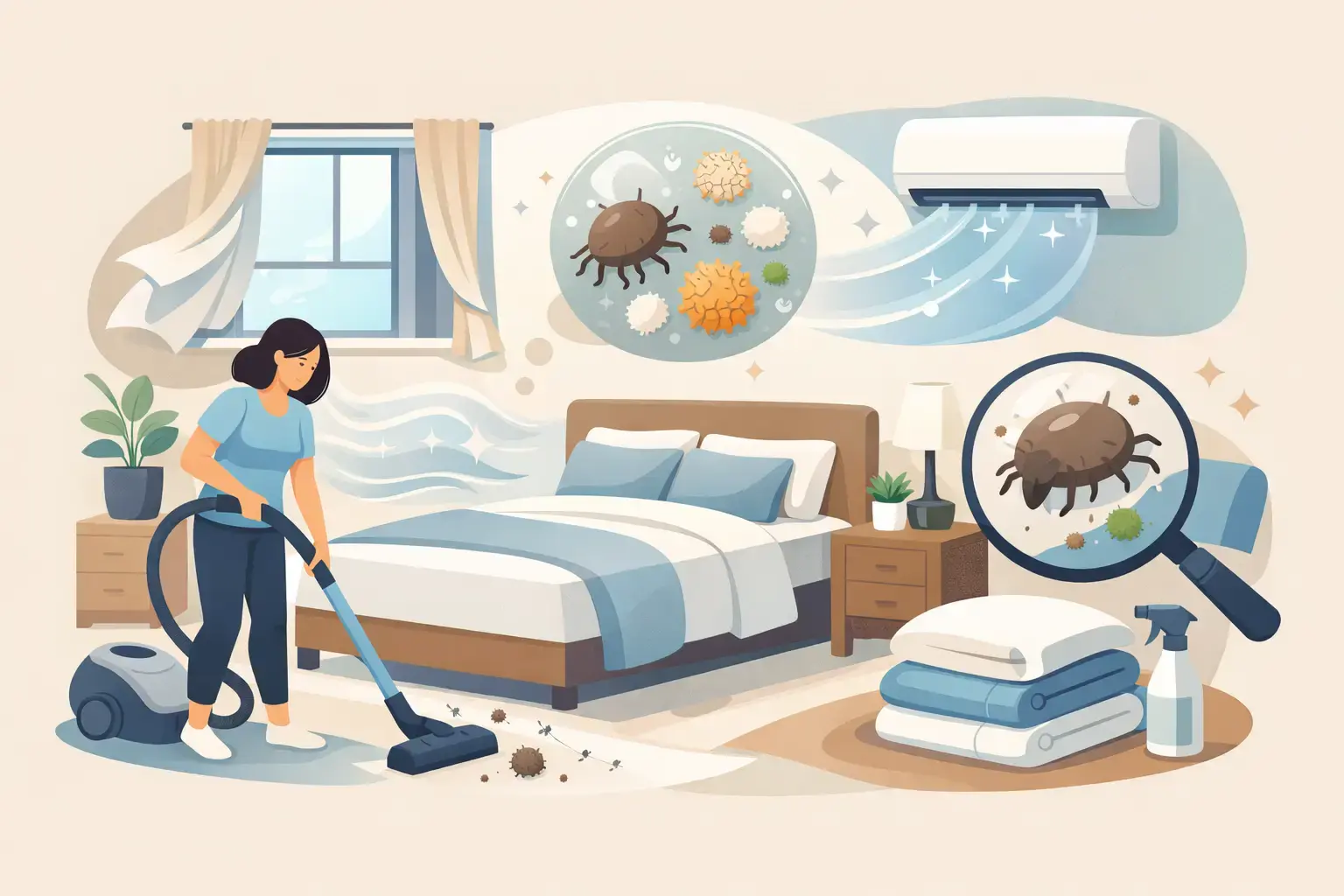
Air purifiers are one of the strongest home wellness categories because the problem is already familiar. People worry about dust, odours, pollen, pet dander, and stale indoor air. They do not need a hard sell to understand why cleaner air matters.
This is also a category with practical staying power. An air purifier earns its place in bedrooms, home offices, nurseries, and living rooms. For sellers, the advantage is clear positioning. You are not selling a vague promise. You are selling a cleaner-feeling home environment.
The trade-off is that buyers often compare specifications, so clarity matters. Keep the message focused on room suitability, noise level, filter replacement, and ease of use.
2. Eye massagers
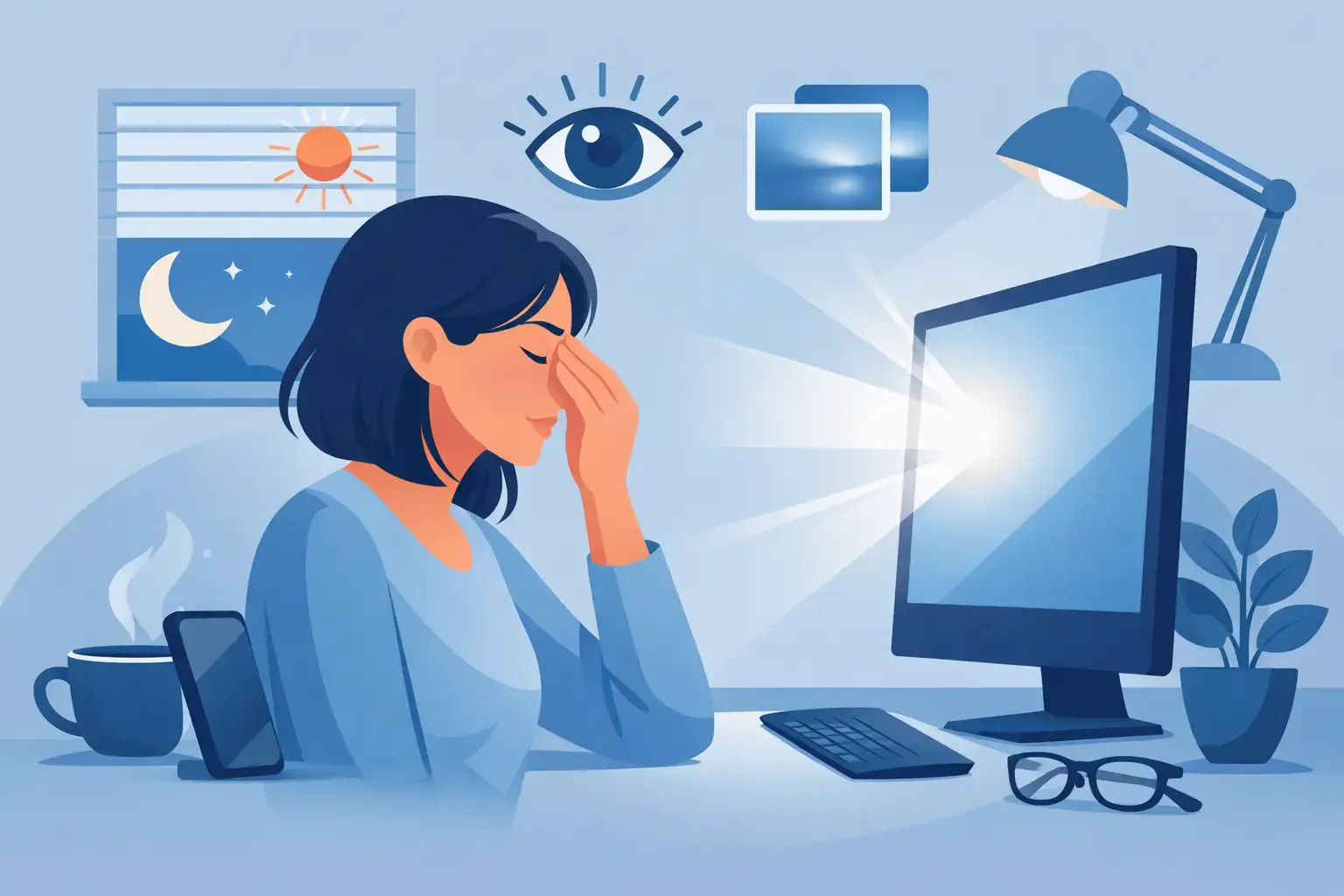
Screen-heavy days have made eye comfort a real need, not a niche one. Eye massagers appeal to professionals, parents, frequent travellers, and anyone who finishes the day feeling tense or tired.
What makes them work well from home is the immediate benefit. Relief, warmth, and a short reset session are easy to picture. They also fit neatly into evening routines, which helps customers see them as a practical lifestyle tool rather than a luxury gadget.
The caution here is expectation-setting. An eye massager is about comfort and relaxation, not miracle cures. Sell the realistic outcome and customers are more likely to be satisfied.
3. Foot massagers
Foot massagers sit in a very strong sweet spot. They feel indulgent, but the use case is highly practical. Busy workers, gym-goers, parents on their feet all day, and older adults all understand the appeal.
This is a category where people often buy for themselves and for others, which helps with giftability. It also performs well because the product does not need an app, a long set-up, or specialist knowledge. Sit down, switch it on, and feel the benefit.
The main challenge is size and shipping cost. If you sell larger devices, margins and fulfilment need careful thought.
4. Sunrise alarm clocks
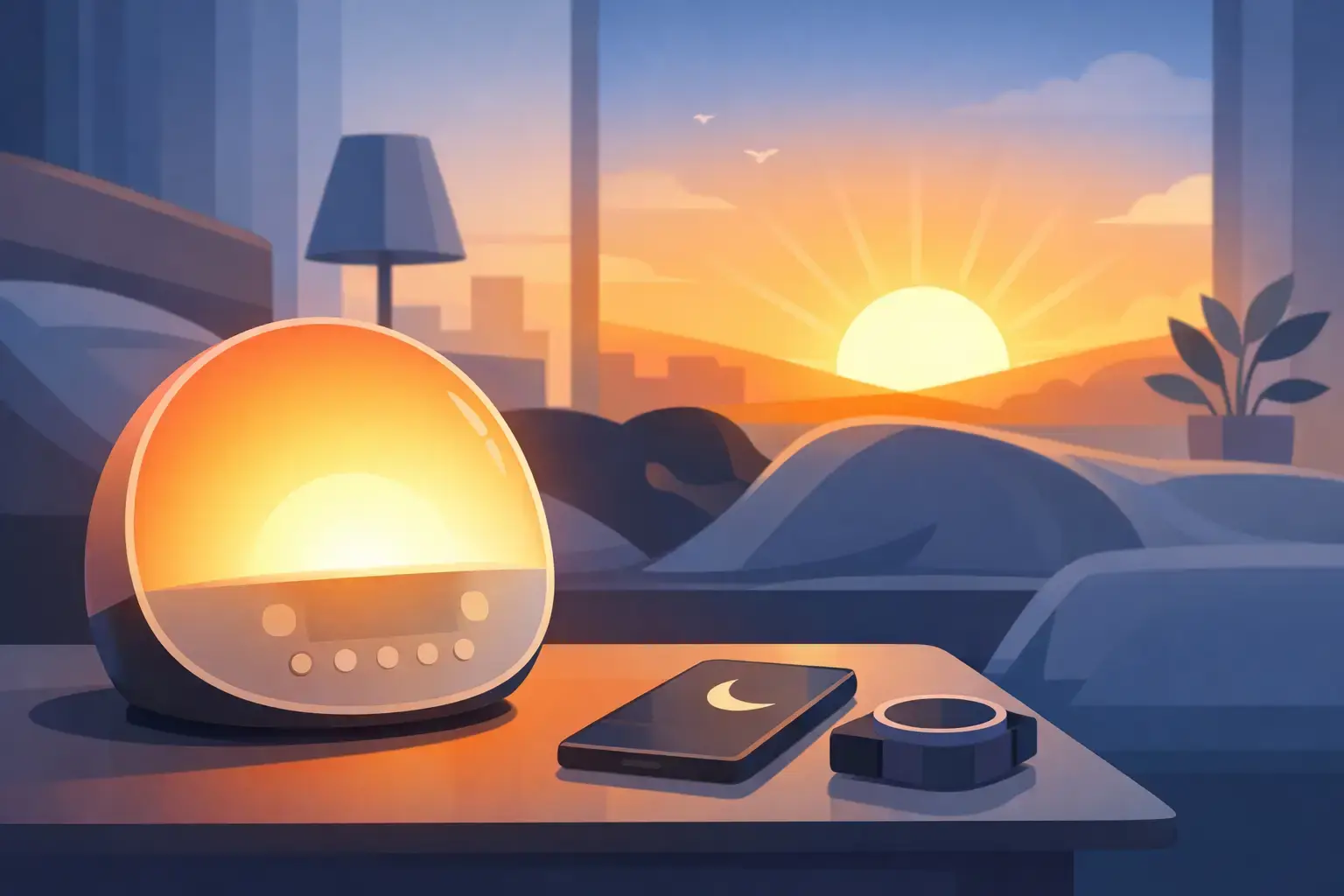
Better mornings are an easier sell than abstract sleep optimisation. Sunrise alarm clocks work because they turn a common frustration into a simple solution. People do not want to be jolted awake by a harsh alarm. They want something gentler that helps them start the day more calmly.
This is especially relevant for darker months in the UK, shift-adjusting households, and anyone trying to improve their sleep routine. The category suits a home seller because the benefit is clear and the visual appeal is strong.
5. White noise and sleep sound machines
Sleep remains one of the most dependable wellness categories because poor sleep affects everything else. Sound machines are relatively easy to position for adults, children, shared homes, and light sleepers.
They are not the most premium-looking products on the market, so selection matters. If you go into this category, avoid flimsy devices with poor sound quality. Customers want calm, not crackling speakers and fiddly controls.
6. Heated neck and shoulder devices
Stress often shows up physically. Tight shoulders, neck tension, and end-of-day stiffness are common complaints, which makes this category highly relatable.
These products sell best when framed around routine use at home, particularly after work or before bed. The strongest options are simple to wear, easy to store, and straightforward to clean. Overcomplicated controls can quickly spoil the appeal.
7. Massage guns
Massage guns still have a place, but this is a category where positioning matters more than it used to. The hype phase has passed, which is actually helpful. Buyers are now more practical. They want recovery support, not fitness theatre.
Good products in this space can work well for active adults and anyone dealing with post-exercise soreness. The weaker products tend to be noisy, cheaply built, and difficult to charge consistently.
8. Humidifiers
Dry indoor air is a quiet but widespread problem, especially in winter and in centrally heated homes. Humidifiers have broad appeal because they connect to comfort quickly. People notice when a room feels less dry.
The challenge is keeping the product easy to maintain. If cleaning is awkward or water tanks are fiddly, returns and complaints rise. Practical design wins.
9. Acupressure mats and recovery tools
These products can sell well to buyers interested in stress relief and muscle recovery, but they are more dependent on customer education. Not everyone immediately understands how they fit into a routine.
That does not make them a bad category. It just means you need better messaging and stronger product pages. Compared with air purifiers or sunrise alarms, they take more explanation.
10. Light therapy lamps
For customers dealing with gloomy mornings, darker seasons, or low-energy workdays, light therapy lamps can be appealing. They are especially relevant in the UK, where seasonal light changes are part of life.
As with any wellness-adjacent category, responsible positioning matters. Keep the language grounded. Focus on light exposure and routine support rather than inflated health claims.
How to choose the right products for your home-based business
If you are choosing between categories, start with behaviour, not buzz. Ask what someone will actually use three or four times a week. A product can be interesting and still be a poor business choice if it ends up in a cupboard after five days.
It also helps to think in household terms. The strongest home wellness products do not feel like extra work. They fit into the bedroom, living room, desk space, or evening wind-down without demanding much attention. That is one reason devices focused on breathing, restoring, and rising tend to outperform trend-led categories. They map directly to routines people already have.
You should also think carefully about returns. Categories that depend on personal taste, unclear results, or aggressive claims can create disappointment. Products with obvious utility tend to be easier to support and easier to explain.
What buyers care about more than features
Most customers are not shopping for a specification sheet. They are shopping for relief, convenience, and confidence. They want to know whether the product feels well made, whether it is easy to use, and whether it will genuinely improve part of their day.
That is why presentation matters. Keep descriptions plain. Show where the product fits in the home. Explain what problem it solves and what kind of person it suits. Trust is built through restraint. If every product sounds life-changing, none of them do.
For a brand like Elvora, that practical standard is the point. Wellness at home should feel useful, not theatrical. The best products are the ones people keep within reach because they make everyday life calmer, cleaner, or easier.
A smarter way to build your range
A scattered catalogue usually underperforms. A tighter range built around a few clear outcomes tends to convert better and feels more credible. Cleaner air, better rest, easier recovery, and gentler mornings are easier to sell than a random collection of “self-care” items.
There is also a branding advantage in staying focused. When your range makes sense together, customers understand you faster. They are more likely to trust your judgement and come back when they want another solution for the home.
If you are starting small, choose one product from each major need state rather than ten lookalike items in the same category. That gives you broader appeal without making the shop feel cluttered.
The best home wellness products are not built to chase attention. They are built to stay useful. When you sell items that earn a place in someone’s routine, growth becomes much steadier - and much easier to sustain.