A house fills up quickly. Not just with furniture and cables, but with devices that promised to help and now sit in a drawer. That is why wellness house products need a higher bar. If they are going to live on your bedside table, in your lounge or by the sofa, they should solve a real problem and make everyday life feel noticeably better.
For most people, that comes down to a few familiar pressure points. The air feels stale. Sleep is lighter than it should be. Stress lingers in the body at the end of the day. Mornings start too abruptly. You do not need a house full of gadgets to fix that. You need a small number of well-chosen products that fit naturally into your routine and work without fuss.
What wellness house products should actually do
The phrase can mean almost anything now, which is part of the problem. Too many products are sold as wellness essentials when they are really just novelty electronics with soft lighting and a big promise. Good wellness products for the home are more straightforward than that.
They should improve comfort, recovery, sleep or air quality in a way you can feel. They should be easy to use without a manual beside you. They should not demand a subscription, another app login or constant attention. And they should suit real homes, where space is limited and routines are busy.
That changes how you judge value. A product is not useful because it has ten settings. It is useful because you reach for it often, it works reliably and your day feels better with it around.
The best wellness house products start with daily friction
A practical way to choose is to ignore trends and look at friction. What happens in your home, every day, that leaves you feeling less well than you could?
If the bedroom feels stuffy and you wake congested, cleaner air matters more than another sleep spray. If your eyes are strained after hours at a screen, targeted relief may do more than a general self-care routine. If your feet and legs feel heavy by evening, recovery tools that encourage relaxation can have a clearer payoff than decorative wellness items.
This sounds obvious, but it is where many people go wrong. They shop for a category rather than a need. The result is clutter dressed up as self-improvement.
Breathe better at home
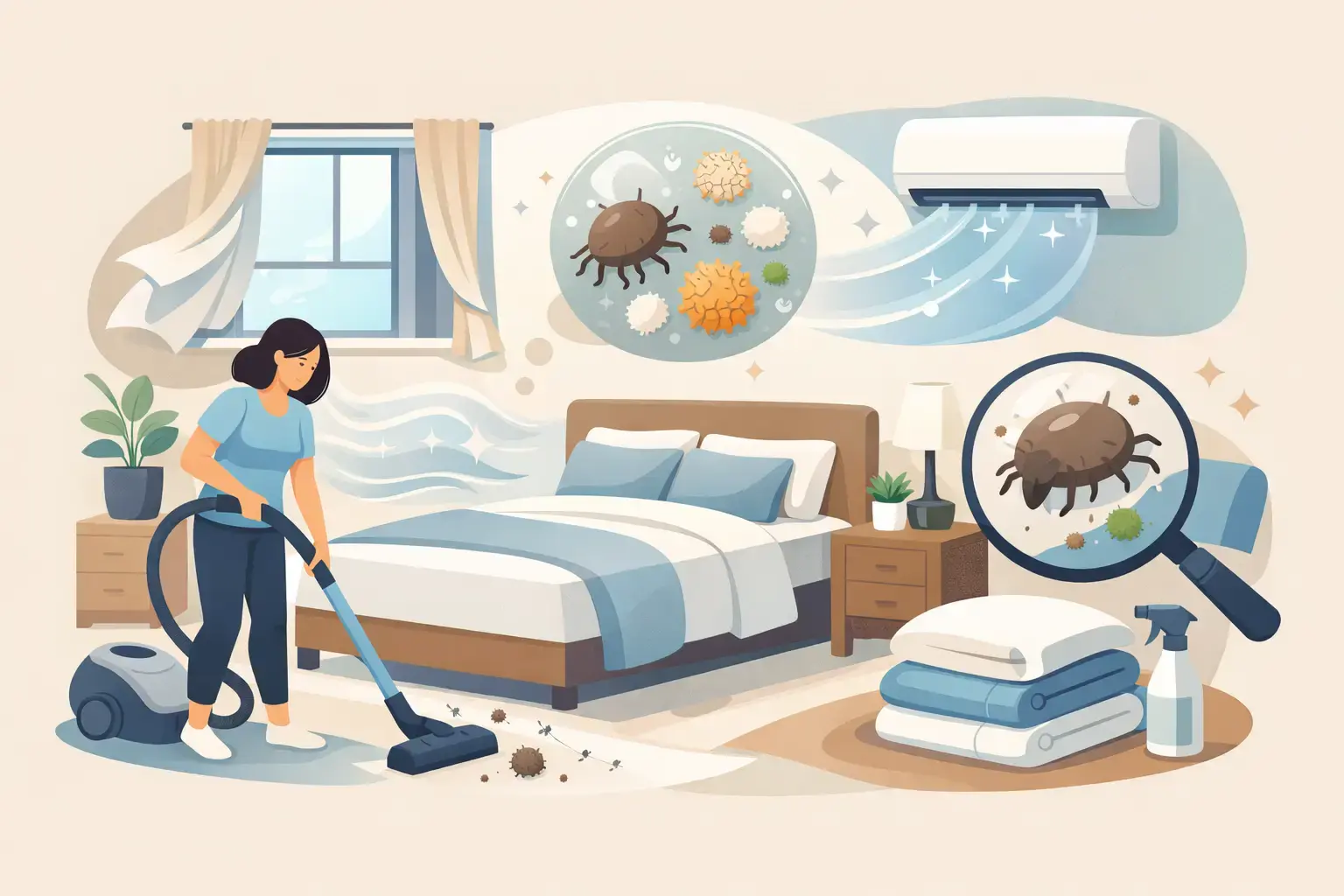
Air quality is one of the few areas where a home wellness product can change the feel of a room almost immediately. Poor indoor air is not always dramatic. More often, it shows up as dust, lingering smells, heaviness or that slightly stale feeling after the windows have been shut all day.
An air purifier is a strong example of a wellness product that earns its place because the benefit is practical, not performative. It can support cleaner air in bedrooms, home offices and shared living spaces, especially in homes with pets, urban pollution, seasonal allergens or poor ventilation.
The trade-off is that not every household needs the same level of performance. A small spare room has different demands from an open-plan living area. Noise matters too, particularly at night. The best choice is usually not the one with the most dramatic specification sheet. It is the one sized properly for your space, quiet enough to live with and simple enough to keep running consistently.
That point matters. Wellness products only help if people actually use them. A purifier with awkward controls or a bulky footprint often gets switched off or moved out of the way. One that fits the room and asks very little of you becomes part of the background, which is exactly what a useful home device should do.
Restore without turning your house into a clinic
Recovery at home should feel easy. It should not involve a complicated set-up or equipment that makes your living room look like a treatment room. The appeal of restore-focused wellness house products is that they target physical tension where many people actually feel it - around the eyes, neck, shoulders, feet and lower legs.
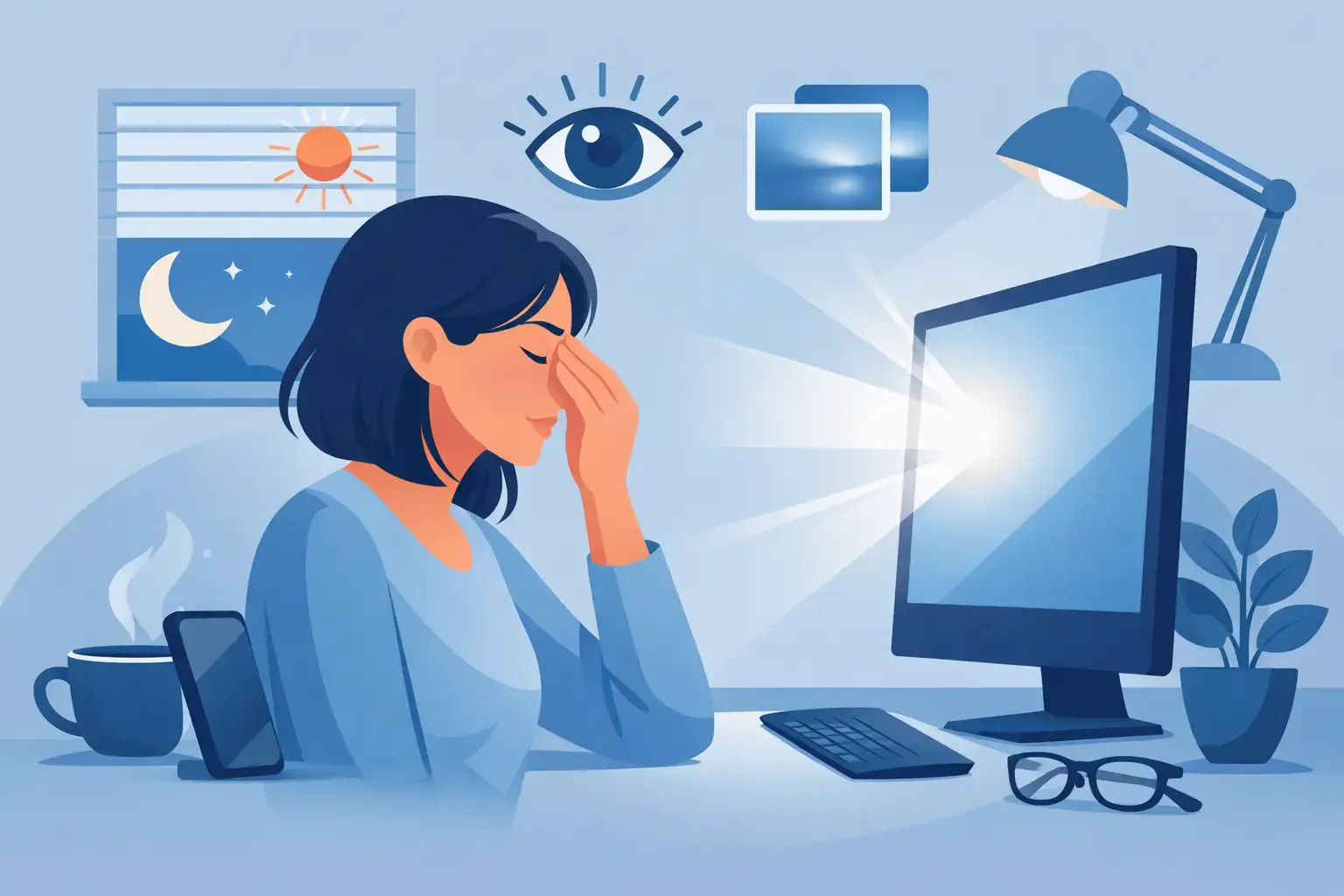
Eye massagers are a good fit for modern households because screen fatigue is now ordinary. After work, after commuting, after an evening on your phone, the strain adds up. A well-designed eye massager can help create a clearer break between the working day and the evening, or support a short wind-down before bed.
Foot massagers solve a different problem, but one that is just as common. Standing, walking, parenting, training, travelling and simply being on your feet all day can leave the body feeling overstimulated and flat at the same time. A product that encourages your body to switch gears at the end of the day has real value.
There is a limit, though. These products are for comfort and recovery, not miracle fixes. They work best when expectations are sensible. Think relief, routine and support rather than transformation overnight. The right question is not whether a device changes your life in one session. It is whether using it regularly makes evenings calmer and mornings easier.
Rise better, not just earlier
Many people focus on how they fall asleep and ignore how they wake up. Yet the quality of your morning often shapes the rest of the day. A harsh alarm in a dark room can leave you feeling jolted before your feet hit the floor.
This is where a sunrise alarm clock makes sense as a home wellness tool. It supports a gentler wake-up experience by bringing light into the room gradually, rather than forcing the body from sleep to alertness in one sharp moment. For darker winter mornings in Britain, that can feel especially useful.
Again, practicality matters. The best products in this category are not trying to be a smart home command centre. They are there to do one job well - help you wake more naturally and start with less friction. If a device requires endless customisation before it becomes helpful, it misses the point.
How to choose wellness house products without wasting money
A good rule is to buy for frequency, not fantasy. The products worth owning are the ones you can imagine using several times a week, not the ones tied to your best intentions.
Start with one problem and one room. If sleep is the issue, focus on the bedroom. If your evenings feel physically draining, look at recovery tools where you actually relax. If daytime comfort is poor, begin with the air in the rooms where you spend most of your time.
Then pay attention to the basics. Size matters. Noise matters. Cleaning and maintenance matter. So does visual fit. If something looks out of place in your home, there is a fair chance it will not stay part of your routine. A premium product should feel considered, not intrusive.
It is also worth being honest about your tolerance for tech. Some people enjoy fine-tuning settings and connecting devices. Many do not. There is nothing wrong with wanting a product that works straight out of the box and keeps working without digital hand-holding. In fact, for most homes, that is often the better option.
Wellness house products that last are usually the simplest
There is a reason straightforward products tend to stay useful longer. They are easier to trust, easier to maintain and easier to use when life is busy. That makes them better suited to family homes, work-from-home routines and the general messiness of ordinary weeks.
This is also where premium can make sense. Not because a higher price automatically means better wellness, but because build quality, comfort, sound levels and reliability genuinely shape the experience. A product used every day needs to feel solid. It should not feel flimsy after a month or overly complicated from day one.
Brands like Elvora appeal to this mindset because the emphasis is not on selling a fantasy version of wellness. It is on giving practical products a clear job to do - helping you breathe cleaner air, restore after long days and rise more comfortably.
A calmer home starts with fewer, better choices
The strongest case for wellness house products is not that they turn your home into a spa. It is that they remove small but persistent sources of discomfort from daily life. Better air. Better wind-down time. Better mornings. Those are modest improvements on paper, but they carry weight when repeated every day.
If a product helps you feel more settled in your own space, without adding more maintenance, noise or clutter, it has done enough. That is the standard worth keeping - buy less, expect more, and let each item earn its place.