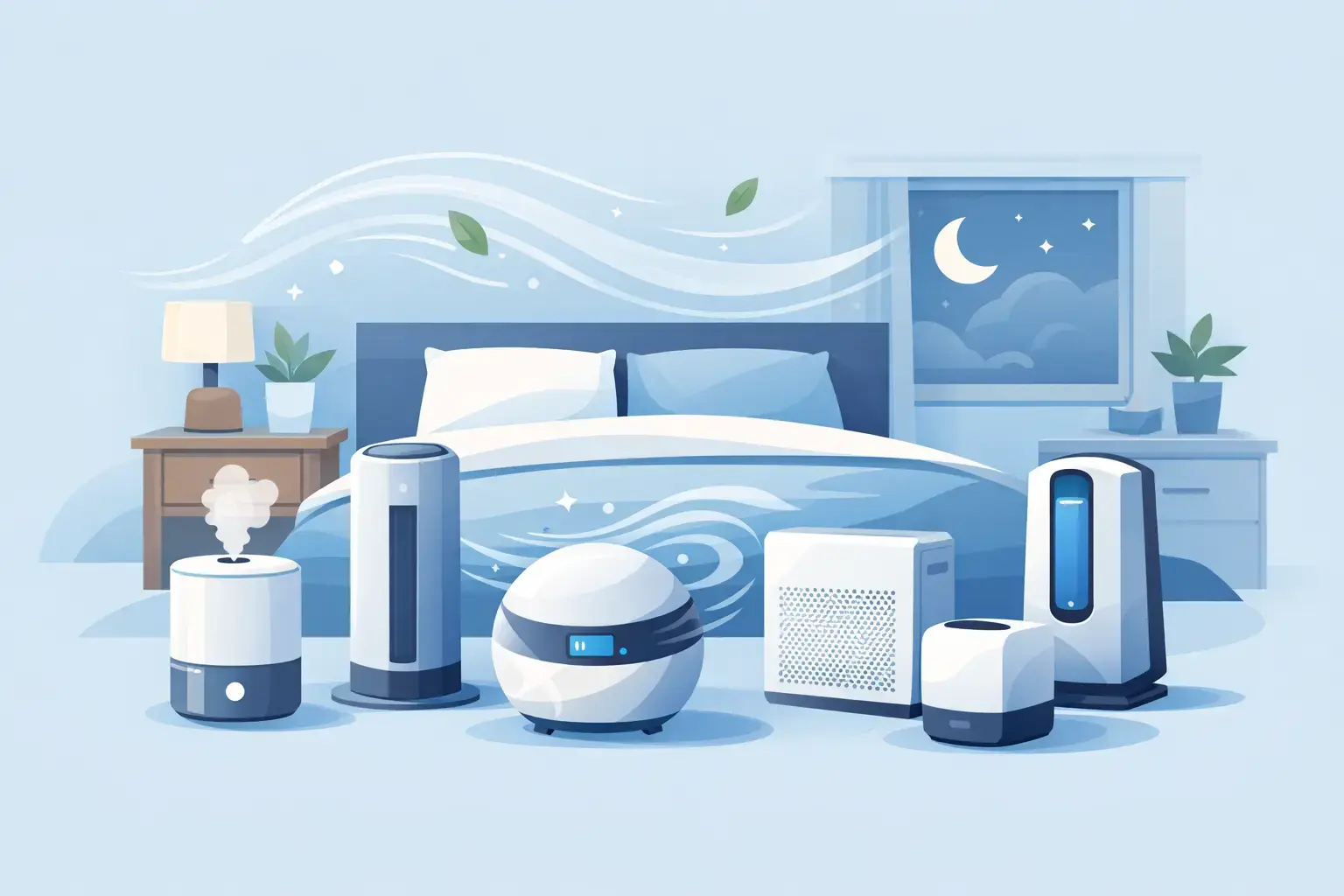
A bedroom that looks clean can still feel stuffy by bedtime. Dust settles on soft furnishings, outdoor pollution drifts in through cracked windows, and pet dander or lingering odours can sit in the air longer than most people realise. That is why so many people start searching for the best bedroom air cleaning devices - not for gadgets, but for a calmer room, easier breathing, and better sleep.
The catch is that not every device improves bedroom air in the same way. Some trap particles. Some deal with smells. Some add moisture. Some simply move air around and create the impression of freshness without actually cleaning much. If you want something that earns its place on your bedside floor or chest of drawers, it helps to know what problem you are trying to solve first.
What makes the best bedroom air cleaning devices worth buying?
In a bedroom, the right device should do three things well. It should improve comfort overnight, fit into your routine without fuss, and run quietly enough that you forget it is there. If it is too loud, too bright, or too complicated, it stops being useful very quickly.
Size matters as well. A purifier built for a large open-plan living room can be excessive in a modest bedroom, while a tiny desktop unit may barely make a difference in a main bedroom with carpets, curtains, and a couple of wardrobes. The best choice is usually matched to room size, sleep habits, and your main irritant - dust, pollen, pet hair, dry air, or smells.
1. HEPA air purifiers
If you only buy one category of product, this is usually the one to start with. A proper air purifier with a HEPA filter is the most reliable option for trapping airborne particles such as dust, pollen, mould spores, and fine pet dander. For allergy-prone sleepers, it is often the closest thing to a straightforward fix.
The main benefit is consistency. You switch it on, let it cycle the room air, and it keeps removing particles night after night. That matters more than flashy features. In a bedroom, useful details are low noise on sleep mode, a dimmable display, sensible filter replacement intervals, and enough cleaning capacity for the room.
The trade-off is ongoing filter cost. A cheap purifier can become expensive if replacement filters are hard to find or need changing too often. This is where premium but practical brands tend to make more sense than novelty products. You want clean air, not a maintenance project.
2. Activated carbon air purifiers
Not all air problems are particle problems. If your bedroom picks up cooking smells, traffic fumes, pet odours, or that slightly stale smell that comes from poor ventilation, carbon filtration matters. Activated carbon is designed to absorb gases and odours that a standard particle filter may not handle well.
Many of the best bedroom air cleaning devices combine HEPA and activated carbon in the same unit. That combination is often the sweet spot for most homes because it covers both visible and invisible annoyances. Dust gets trapped, and odours are reduced at the same time.
It is worth being realistic here. Carbon helps with smells, but it will not completely solve a source problem such as damp, smoking indoors, or a badly ventilated room. It works best as part of a sensible setup rather than a magic answer.
3. Humidifiers for dry bedrooms
A humidifier is not an air purifier, but in the right bedroom it can make the air feel noticeably easier to live with. If you wake with a dry throat, dry skin, irritated eyes, or a blocked nose during winter, the issue may be low humidity rather than dirty air.
Adding moisture can make sleep more comfortable, especially in homes where central heating dries the air out. This is particularly common in colder months when windows stay shut and radiators stay on. For some people, a humidifier reduces the scratchy, uncomfortable feeling that gets blamed on dust alone.
There is a clear caution, though. Too much humidity can encourage mould and dust mites, which creates a different problem. In most bedrooms, a humidifier makes sense only when the air is genuinely dry. Used carelessly, it can be counterproductive.
4. Dehumidifiers for damp air
Some bedrooms have the opposite problem. If the room feels clammy, condensation gathers on windows, or there is a persistent musty smell, a dehumidifier may be more useful than a purifier. Damp air does not just feel unpleasant - it can support mould growth and worsen air quality over time.
A dehumidifier removes excess moisture from the air, making the room feel fresher and often warmer as well. For older homes, bedrooms with limited airflow, or rooms where washing is dried indoors, this can be a practical shift rather than a luxury.
The downside is that dehumidifiers are usually bulkier and often noisier than bedroom purifiers. Some are fine for daytime use but too noticeable overnight. If your bedroom is only mildly damp, improving ventilation and using a purifier may be enough. If damp is persistent, moisture control needs to come first.
5. Air washers and hybrid units
Air washers and hybrid air-cleaning devices try to do more than one job at once. Some combine purification with humidification, while others use water-based systems to reduce certain airborne particles. On paper, they sound efficient. In practice, they can be either genuinely useful or needlessly fiddly.
The appeal is obvious. One device, fewer moving parts in your room, and a cleaner visual setup. For people who dislike clutter, that matters. But combination units only work if both functions are strong enough to be worth having. A mediocre purifier and a mediocre humidifier in one shell is still mediocre.
This category is best for buyers who know they need two functions and are happy to keep up with cleaning. Any device involving water has to be maintained properly. Otherwise, you risk introducing stale water issues into the very room you are trying to improve.
6. UV and ionising devices
This is where it pays to be sceptical. UV air treatment and ionising technology are often marketed with big promises, but they are not always the best fit for bedrooms. Some can help as part of a broader system, though they are rarely the simplest or most dependable first purchase for an average home.
Ionisers in particular can sound more impressive than they perform. Some models release charged particles to make pollutants clump together, but they do not always remove those particles from the room unless there is proper filtration involved. Certain technologies may also produce trace ozone, which is not something most people want in a sleep space.
If a product leans heavily on technical claims but says little about real filtration, noise levels, or room coverage, take that as a warning sign. Bedroom wellness products should solve problems, not ask you to decode marketing copy.
7. Quiet bedroom fans with filtration support
A fan does not clean air on its own, but it can support a better bedroom environment when paired with the right setup. If your room feels hot and stale at night, improved circulation can help a purifier work more effectively and make the space feel fresher overall.
This matters because comfort is part of air quality in real life. A room that is technically cleaner but still hot, stuffy, and difficult to sleep in is not doing the full job. For some households, the best result comes from combining a quiet purifier with a low-noise fan, especially in warmer weather.
Just do not confuse airflow with filtration. Fans improve feel. Purifiers improve what is actually in the air. They can work together, but they are not interchangeable.
How to choose the best bedroom air cleaning devices for your room
Start with the irritation you notice most. If it is sneezing, dust, or pollen, choose a HEPA purifier. If it is stale smells or pet odours, make sure activated carbon is included. If you wake up dry, look at humidity. If the room feels damp or musty, deal with moisture first.
Then look at the practical details people often ignore. Can the machine run quietly through the night? Are the controls simple? Does it have a sleep mode without bright lights? Is it sized properly for your bedroom, not just the product page headline? Those details shape whether you will actually use it every day.
It is also worth avoiding overbuilt devices loaded with app features you do not need. In a bedroom, simpler is often better. The best products tend to be the ones that sit in the background, do the job properly, and ask very little from you in return. That is why brands such as Elvora resonate with buyers who want quality without the usual nonsense.
A better bedroom starts with the right fix
Cleaner bedroom air is rarely about chasing the most advanced machine on the market. It is about matching the device to the problem, then choosing one that fits naturally into your routine. When that balance is right, you notice it in small ways first - easier breathing, less dust, fewer overnight disturbances, and a room that feels calmer the moment you walk in.
If you are choosing carefully, that is the standard to keep in mind. Not more features. Not louder promises. Just a device that quietly makes bedtime better.