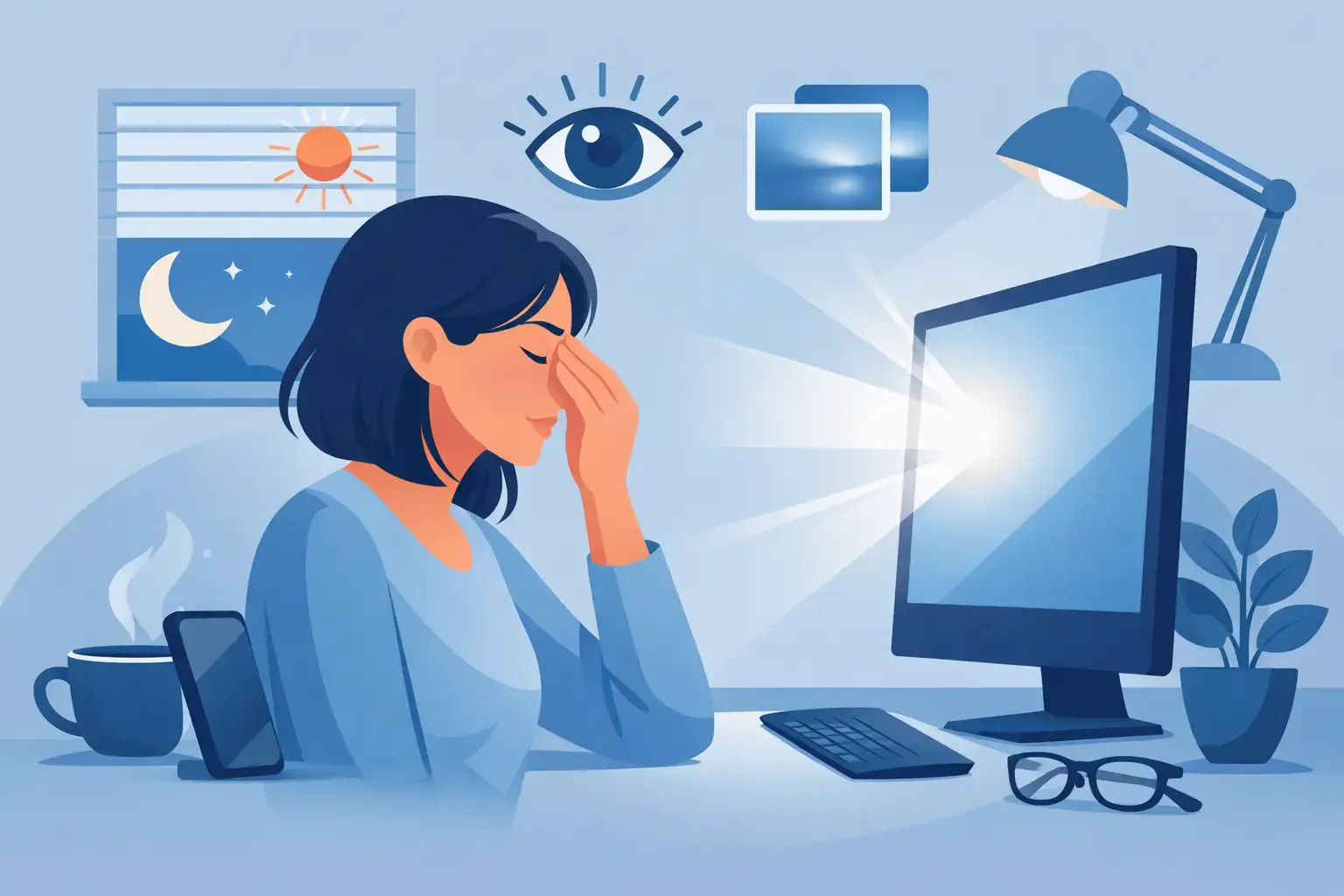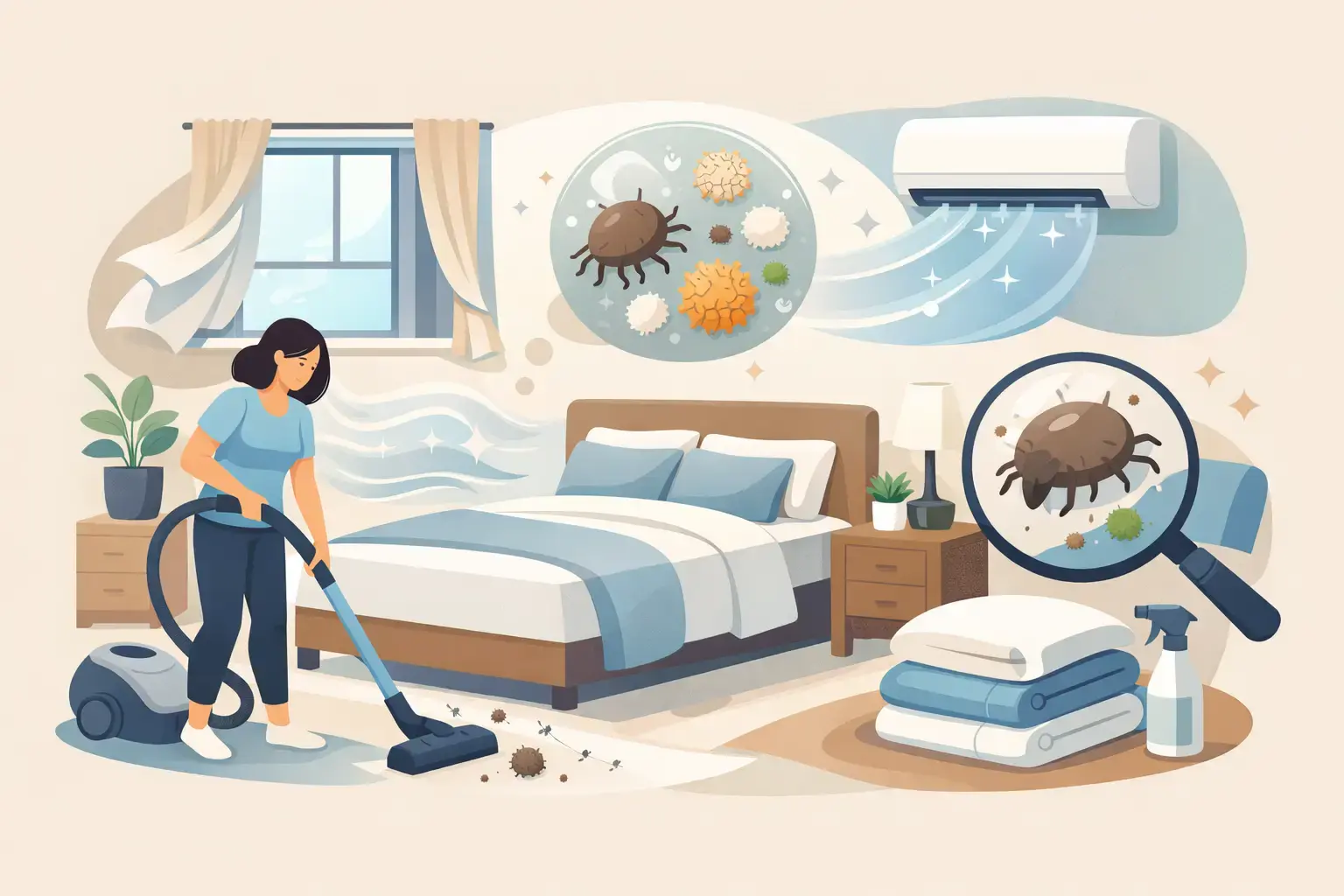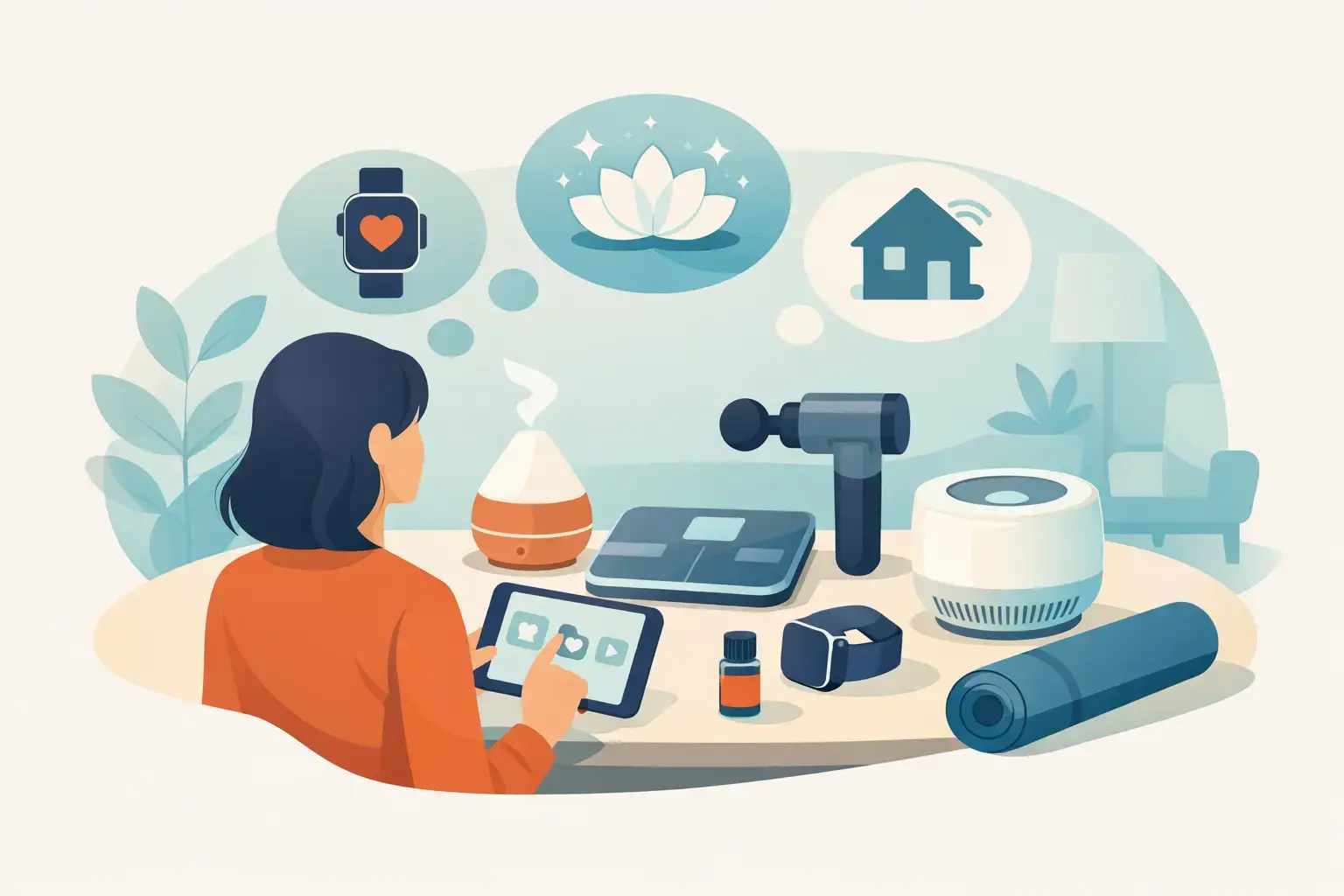
A home wellness device should make life easier by the end of the first week. If it creates more setup, more noise, more charging cables or another app to ignore, it is not helping. That is the best place to start when thinking about how to choose home wellness devices.
Most people are not building a spa at home. They are trying to sleep better, breathe cleaner air, ease tension after work or wake up without feeling dragged out of bed. The right device supports a real habit you already want. The wrong one becomes expensive clutter.
How to choose home wellness devices without wasting money
The fastest way to make a bad choice is to shop by trend. The better way is to begin with one problem that shows up often enough to matter.
If your bedroom feels stuffy, an air quality device makes more sense than a recovery tool. If your feet ache most evenings, a foot massager is easier to justify than a product aimed at sleep. If mornings are the issue, a sunrise alarm clock may do more for daily wellbeing than anything marketed as a full wellness system.
This sounds obvious, but it is where many purchases go wrong. People buy broad promises instead of specific outcomes. Better wellness is too vague. Falling asleep faster, reducing screen-tired eyes, or making the living room air feel fresher are clear and useful.
A practical rule helps here: choose the problem first, then the category, then the product. Not the other way round.
Start with the moment you want to improve
Home wellness works best when it fits into existing routines. That means looking at the point in the day where friction already exists.
For some households, it is bedtime. The room is too bright, the air feels stale, and switching off takes too long. For others, it is the hour after work, when shoulders are tight, feet are sore and the body has not quite caught up with the day ending. Some people need help in the morning, especially in darker months when a harsh alarm feels worse than the early start itself.
When you look at the actual moment, the right product becomes easier to spot. You are not buying a lifestyle upgrade in the abstract. You are choosing a tool for a repeated situation.
That is also why multi-function promises should be treated carefully. A device claiming to handle sleep, stress, focus, recovery and mood may sound efficient, but often it is less useful than one product that does a single job well.
Ask what you will realistically use
The best home wellness device is not always the most advanced one. It is the one you will use three, four or five times a week without forcing yourself.
That usually means low-friction design. Simple controls. Quick setup. No subscription. No need to pair with a mobile phone every time you want to turn it on. If a product only works properly when you remember passwords, updates and app settings, it may be clever, but it is not convenient.
This matters even more in family homes and busy households. A useful device should be easy to understand at a glance. You should not need a manual every time you use it.
Match the device to the room, not just the need
A product can be effective and still be wrong for your home. Size, noise, storage and placement all affect whether it earns its place.
Take air purifiers. Performance matters, but so does where you plan to use one. A compact bedroom setup is different from an open-plan living area. If the unit is too large, awkward or visually intrusive, people often postpone using it properly. If it is too small for the room, expectations will outpace results.
The same applies to recovery devices. A foot massager might sound ideal, but if you have nowhere sensible to keep it or it is cumbersome to bring out, usage drops. An eye massager may suit someone who wants a short, contained evening ritual because it is quicker to reach for and easier to store.
There is no perfect category in the abstract. There is only what fits your home and your routine.
Noise, maintenance and setup are part of the product
These details are often treated as secondary. They are not.
If an air purifier is too loud for sleep, that is not a minor drawback. If a massager is awkward to clean, that affects long-term use. If a sunrise alarm clock takes too long to programme, many people will never bother adjusting it once the clocks change.
Look for the practical cost of ownership, not just the price at checkout. Filters, cleaning, storage, charging and daily operation all count. A premium device should reduce effort overall, not shift it elsewhere.
How to choose home wellness devices by feature, not fluff
Features matter, but only when they support the result you want. This is where marketing often gets noisy.
A good filter for choosing features is to ask a blunt question: what does this do for me on a normal Tuesday?
If the feature improves convenience, consistency or comfort, it may be worth paying for. If it sounds impressive but changes very little about daily use, it is probably decorative.
For air quality products, core performance and suitability for the room come first. For massage devices, comfort, intensity options and ease of use matter more than novelty settings. For wake-up products, readability, light quality and reliable alarms are more important than extra functions you will rarely touch.
This is where disciplined buying helps. More settings do not automatically mean more value. In many cases, fewer but better-considered features create a better experience.
Premium should feel simpler, not more complicated
There is a difference between cheap simplicity and refined simplicity. One cuts corners. The other removes friction.
When a device is well designed, you notice it in small ways: clear controls, solid materials, sensible defaults, a shape that works in the room, and a routine that feels easy to keep. Premium should show up in reliability and comfort, not just surface polish.
That is why some people are better served by a curated product range than endless choice. A smaller selection can be a strength when each item has a clear role and avoids gimmicks. Brands such as Elvora are leaning into that idea for a reason. Most buyers do not want a hundred options. They want one good answer to the problem they actually have.
Set a budget around use, not impulse
Price matters, but the cheapest option is not always the best value. A device used most days for a year is often better value than a bargain product that ends up in a cupboard after a fortnight.
It helps to think in terms of frequency. If you expect daily use, spending more for comfort, durability and ease may be sensible. If the problem is occasional, a simpler product could be enough.
There is also a middle ground many people miss. Some products are overpriced because they rely on wellness theatre - exaggerated claims, inflated bundles or features that exist mainly to justify the ticket. Others are underbuilt and disappoint quickly. The better choice usually sits between those extremes: well made, straightforward and clearly useful.
Read product claims with a bit of distance
Wellness marketing likes certainty. Real life is more mixed.
No device fixes sleep on its own if the room is too warm, the schedule is erratic and the mobile phone stays in bed. No massager undoes every effect of stress or long hours at a desk. No air purifier replaces basic home habits such as ventilation and cleaning.
That does not mean these products are ineffective. It means the best ones support a wider routine rather than pretending to replace it.
Be wary of language that promises dramatic transformation with no effort. Better signs are clear use cases, straightforward specifications, realistic benefits and support that continues after purchase. Guarantees and sensible returns policies matter because they reduce the risk of trying something in your own home, where it will actually be used.
The best choice is usually the easiest one to keep using
If you are still comparing options, come back to this question: which device is most likely to become part of your week without adding hassle?
That might be the purifier you can leave running in the bedroom without thinking about it. It might be the foot massager you will use while winding down in the evening. It might be the sunrise alarm clock that helps mornings feel less abrupt. The right answer depends on the problem you want solved and the life you already lead.
Home wellness should not feel like another project to manage. It should feel like one less thing working against you. Choose the device that fits your routine, your space and your actual habits, and you are far more likely to feel the benefit long after the unboxing is over.