You feel it before you even open your eyes. A mobile phone alarm drags you awake with noise, a bright screen and, too often, the urge to start scrolling. That is why the sunrise alarm clock vs mobile phone debate matters more than it first seems. This is not just about how you wake up. It is about how your morning starts, how your bedroom feels, and whether your routine supports better sleep or chips away at it.
For most people, a mobile phone wins on convenience. It is already on the bedside table, it costs nothing extra, and it can be set in seconds. But convenience is not the same as quality. If your goal is to wake up feeling less jolted, less tempted by notifications and more in step with a calmer routine, a dedicated sunrise alarm clock starts to make a strong case.
Sunrise alarm clock vs mobile phone: the real difference
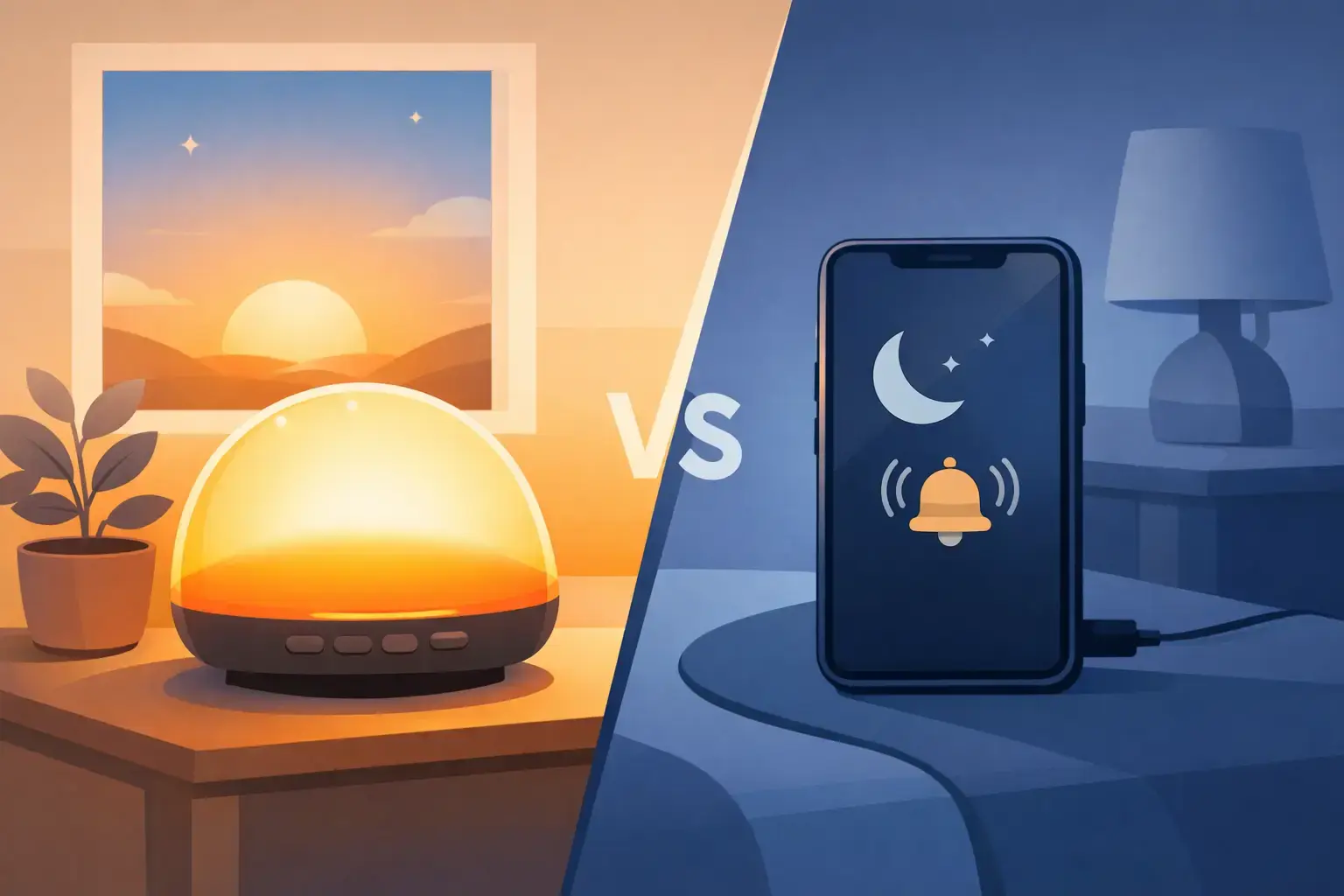
The clearest difference is simple. A mobile phone alarm wakes you with sound. A sunrise alarm clock wakes you with gradual light, usually followed by gentle sound if you want it. That change affects the whole experience of waking.
A standard mobile phone alarm is designed to get your attention fast. It is abrupt by design. That can work if you are a deep sleeper or regularly need a hard stop in the morning. But it can also feel harsh, especially in darker months when getting out of bed already feels difficult.
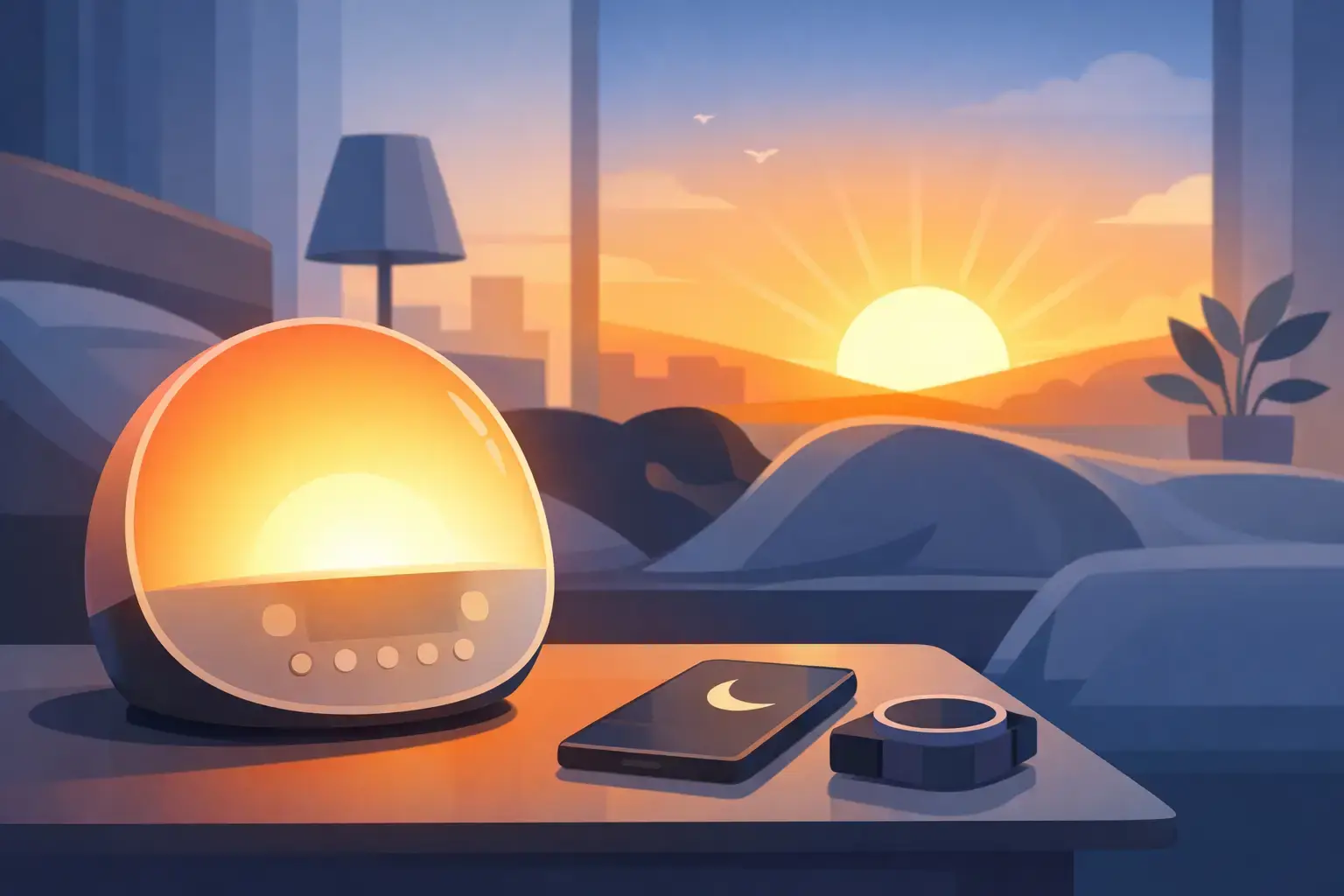
A sunrise alarm clock works differently. It starts to brighten before your set wake-up time, building light slowly so your body has more time to shift out of sleep. For some people, that creates a noticeably easier start to the day. You are not being shocked awake. You are being brought round.
That does not mean a sunrise alarm clock is automatically better for everyone. If you sleep through light changes easily, or you need a very loud alarm because your schedule is unforgiving, a mobile phone may still be the more reliable option. The point is not that one is universally superior. It is that they solve different problems.
Why the mobile phone often causes more friction than people realise
Most people think of their mobile phone as an alarm, but it rarely stays just an alarm. It is also your messages, work emails, social feeds, news alerts and late-night entertainment. Once it lives on your bedside table, it brings all of that with it.
That matters at both ends of the day. At night, the mobile phone makes it easier to stay mentally switched on for longer than intended. One quick check becomes twenty minutes. In the morning, the same device that woke you can pull you straight into reacting, checking and scrolling before you have even sat up properly.
This is where the comparison shifts from product features to habit design. A sunrise alarm clock does one job. It helps you wake up. It does not ask for your attention in ten other ways. For people trying to create a calmer bedroom or reduce screen dependency, that simplicity is not a small detail. It is the main benefit.
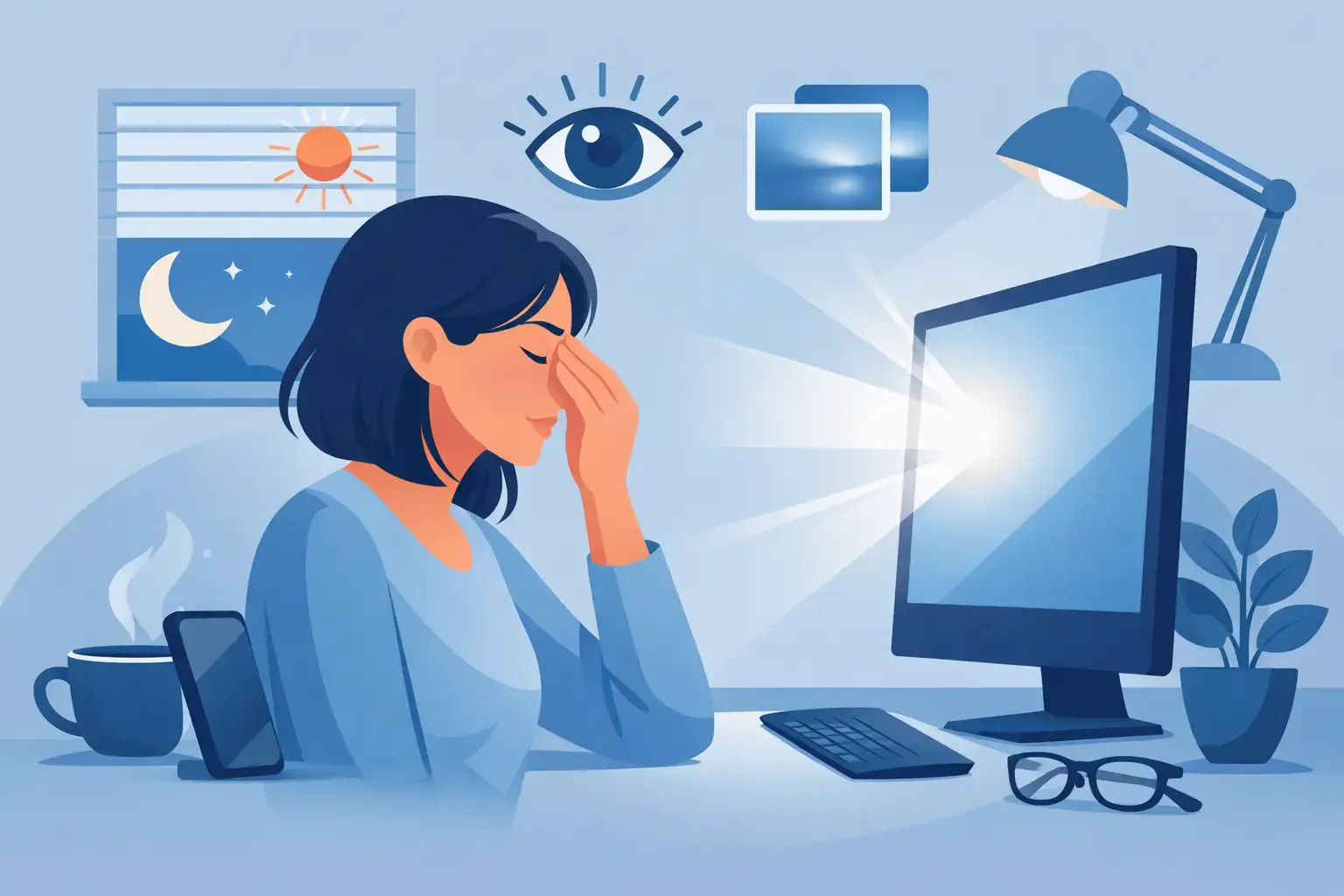
There is also the issue of light exposure. Looking at a mobile phone screen late in the evening is hardly ideal when you are trying to wind down. Even with night mode settings, a mobile phone still encourages stimulation at the exact point you are meant to be easing off. A sunrise alarm clock supports the opposite rhythm - lower evening disruption, then a gentler return to wakefulness in the morning.
Does a sunrise alarm clock actually help you wake up better?
For many people, yes - but the benefit depends on what is making mornings hard in the first place.
If your problem is that you wake feeling groggy, dislike sudden alarms, or struggle during dark winter mornings, a sunrise alarm clock can make a real difference. Gradual light tends to feel less aggressive than a loud ringtone. It can make waking feel more natural, especially if your room is very dark.
If your problem is chronic sleep deprivation, no alarm will fix that. A more pleasant wake-up does not replace enough sleep. It simply improves the transition from sleeping to waking. That is an important distinction. Good sleep habits still matter more than the device itself.
It is also worth being realistic about adaptation. A sunrise alarm clock may not feel transformative on night one. Some people notice the change straight away. Others need a week or two before their body starts to respond to the light cues. If you are used to waking to a blaring mobile phone alarm, gentler can initially feel less effective, even when it is doing the job.
The bedroom environment matters more than most alarms admit
A bedroom should support rest. Mobile phones tend to disrupt that simply by being there. Even when they are on silent, they carry mental noise. You know what they contain. Work. Admin. Social pressure. Endless content.
A dedicated sunrise alarm clock helps set a boundary. It gives your room one less reason to feel like an extension of your inbox. For busy professionals and parents especially, that separation can be useful. Better routines are often built through small environmental changes, not dramatic life overhauls.
This is one reason practical wellness products tend to work best when they remove friction rather than add more of it. A good sunrise alarm clock should not need an app, a subscription or nightly troubleshooting. It should sit by the bed, do its job consistently and help your space feel calmer. That is the appeal - less digital clutter, more everyday function.
When a mobile phone is still the better choice
There are cases where a mobile phone alarm makes perfect sense. If you travel often and want one device for everything, your mobile phone is the easiest option. If your wake-up times change constantly, mobile phone alarms are flexible and familiar. If budget is your main concern, using what you already own is practical.
Mobile phones also offer louder alarms, more sound options and, for some people, better reliability because they are so embedded in daily life. You are unlikely to forget to pack one. You already know how to use it. There is no adjustment period.
If that setup works for you and you are sleeping well, there may be no urgent reason to change it. Not every mobile phone user needs a sunrise alarm clock. The better question is whether your current system is genuinely helping or whether you have simply got used to it.
Sunrise alarm clock vs mobile phone for sleep quality
This is where nuance matters. A sunrise alarm clock does not directly create better sleep in the same way a mattress, blackout curtains or a cooler room might. What it can do is support healthier patterns around sleep.
By reducing reliance on your mobile phone at the bedside, you may cut down late-night scrolling. By using gradual morning light, you may find waking less stressful and less abrupt. Over time, those changes can support a more settled sleep routine.
A mobile phone, on the other hand, can work against that routine if it keeps you mentally engaged at night and instantly distracts you in the morning. The issue is not the alarm sound alone. It is the behaviour wrapped around the device.
That is why many people who switch are not just buying a different alarm. They are trying to change the feel of their evenings and mornings. A sunrise alarm clock makes sense when you want the bedroom to be more restful and the start of the day to feel less reactive.
Which one should you choose?
Choose a mobile phone if your priority is simplicity, cost and all-in-one convenience. It is the practical default, and for some people that is enough.
Choose a sunrise alarm clock if you want a gentler wake-up, fewer bedside distractions and a bedroom that feels more supportive of proper rest. If your current routine starts with a jolt and ends with screen time, this is one of the cleaner upgrades you can make.
For the right person, it is not a luxury item. It is a useful piece of everyday sleep equipment. Brands like Elvora appeal here for a reason. The value is not in novelty. It is in owning something built to solve a real routine problem without adding more digital noise.
A better morning rarely starts with more notifications. It usually starts with less friction, less harshness and a setup that helps you wake like a person, not a device.